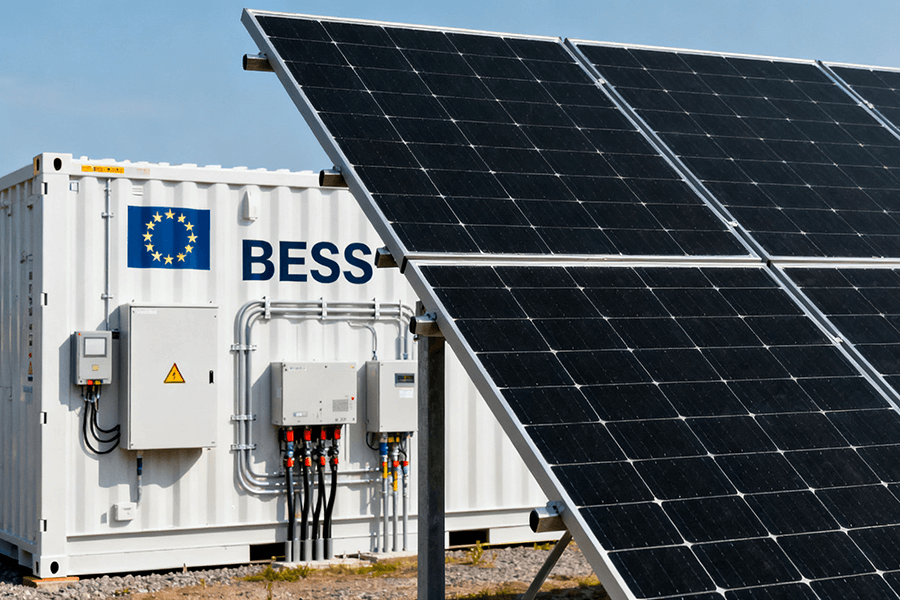
The Voltage Sag Nightmare: Why EU Factories Are Losing Sleep
Let’s cut to the numbers—because sags don’t care about excuses, and neither do EU industrial CFOs:
- Frequency: EU industrial sites get smacked with 50-100 voltage dips annually (https://www.entsoe.eu/data/grid-stability/). That’s like your office Wi-Fi crashing twice a week, but instead of missing a Zoom call, you’re losing €10,000 per minute of downtime.
- Cost Impact: Each sag costs €10,000 to €1 million in equipment damage, lost production, and inventory waste (https://www.iea.org/reports/electricity-market-report-2024). For context, a single sag at a German automotive plant in 2023 fried 3 robotic welding arms—costing €450,000 to repair and 3 days of lost output.
- Downtime Culprit: A staggering 45% of European industrial downtime traces back to voltage sags (https://www.eurelectric.org/publications/2024-eu-grid-resilience-report.pdf). Not supply chain delays, not employee coffee breaks—grid gremlins that no amount of project management can fix.
Table 1: UPS vs. The Sag Problem—A Mismatch Made in Frustration
|
Limitation of Traditional UPS
|
Why It Fails EU Industry
|
Real-World Consequence
|
|
Only protects small loads (<50kWh)
|
Industrial plants need megawatt-scale support (e.g., 5MW semiconductor fabs)
|
A UPS fleet for a 1MW factory would require 20+ units—cluttering floor space and complicating maintenance.
|
|
Backup time measured in minutes
|
Sags last seconds—but UPS can’t handle repeated hits (e.g., 3 sags in one day)
|
A French food plant in 2024 used 12 UPS units; 8 died after 2 back-to-back sags, spoiling €80,000 of frozen pizza.
|
|
Single-use (only backup power)
|
No extra value for the investment—can’t offset energy costs
|
A UPS costs €15,000 upfront and generates $0 in additional revenue; a BESS pays for itself faster.
|
|
10-year cost for 1MW protection: ~€650,000 (https://www.power-technology.com/markets/eu-ups-market-2024/)
|
Budget-friendly? Not even close—EU factories already face 20% energy cost hikes.
|
A Spanish textile mill in 2023 replaced 15 UPS units with a BESS, cutting 10-year costs by €280,000.
|
BESS Containers: The Grid’s New Rapid-Response Team
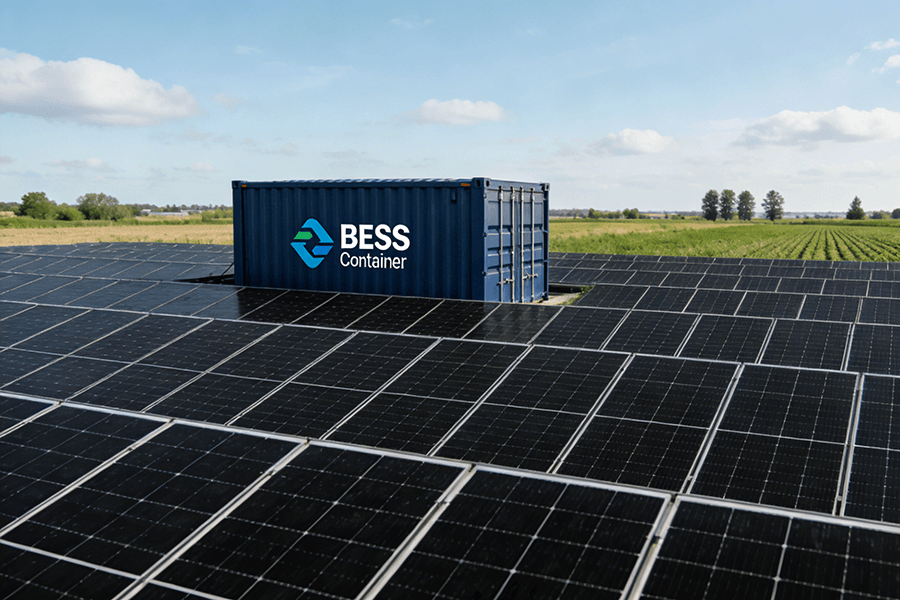
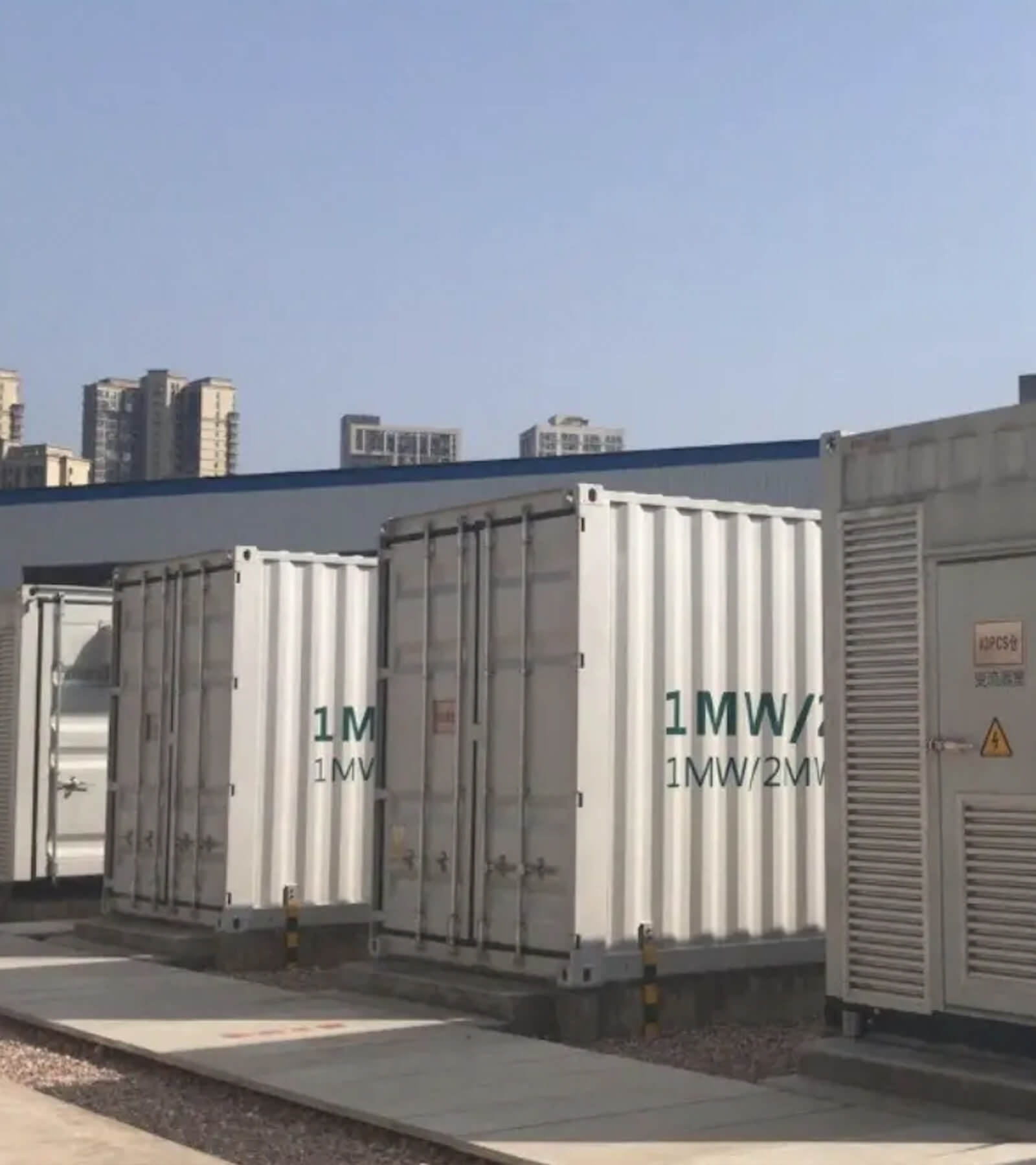
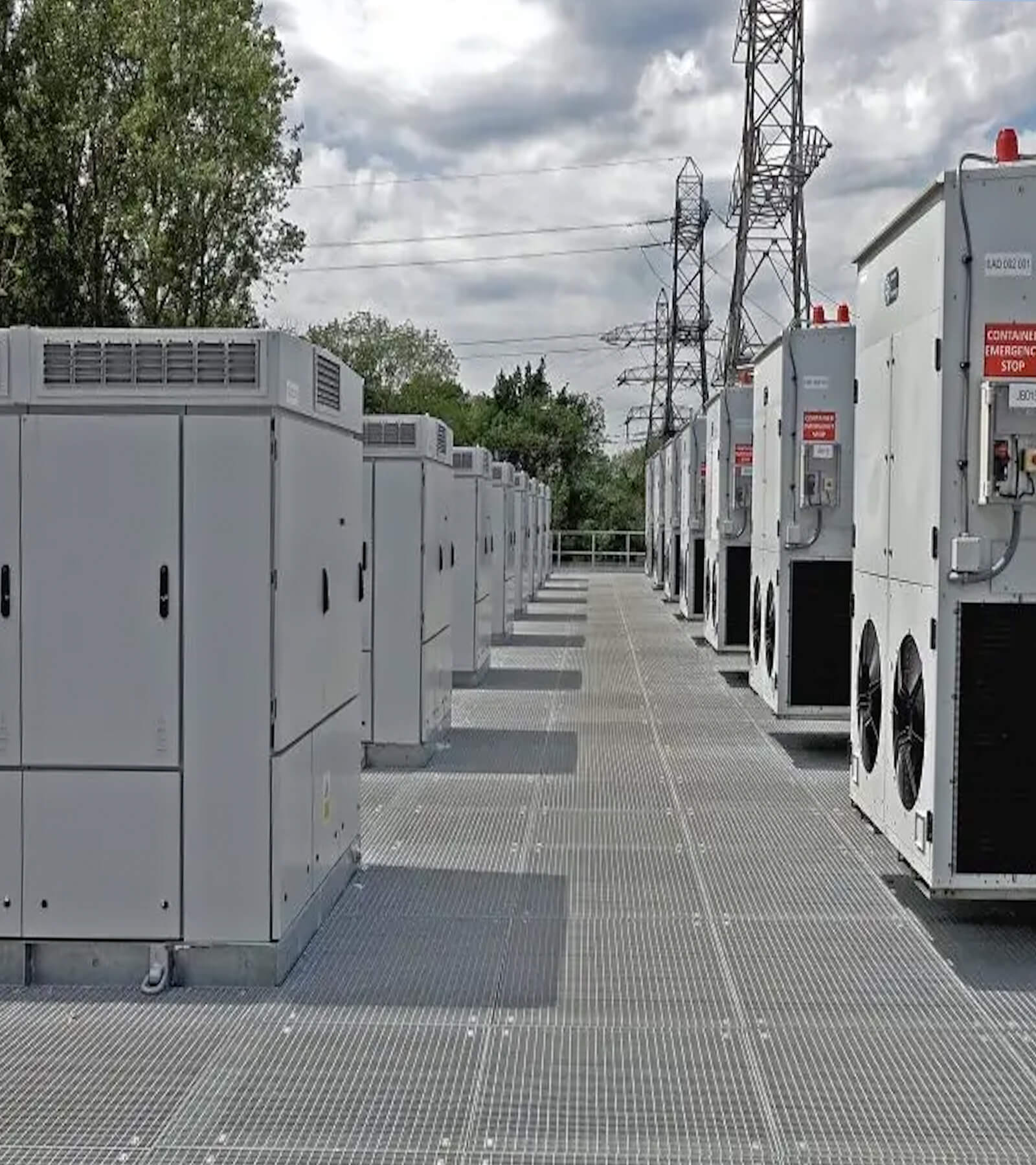
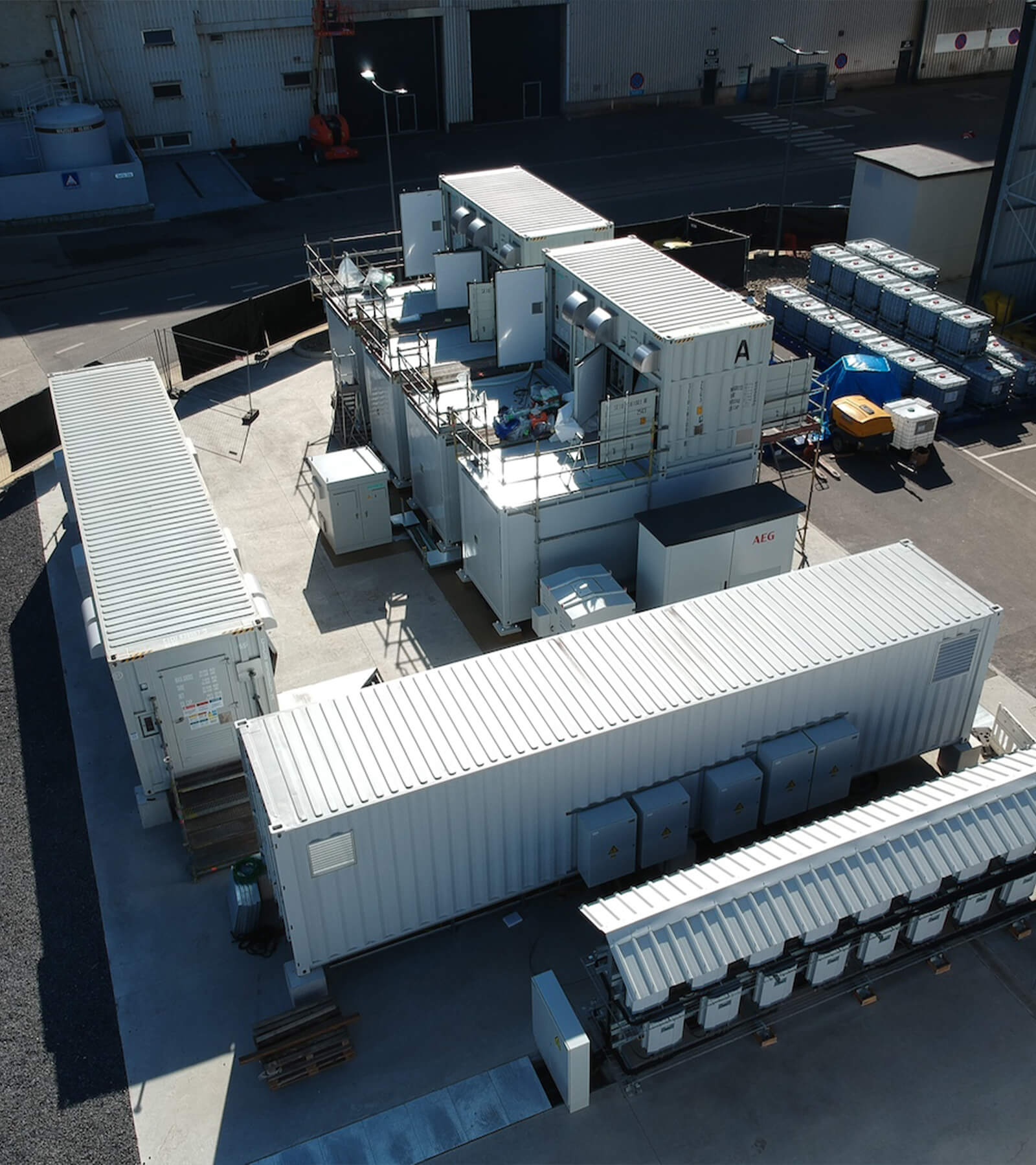
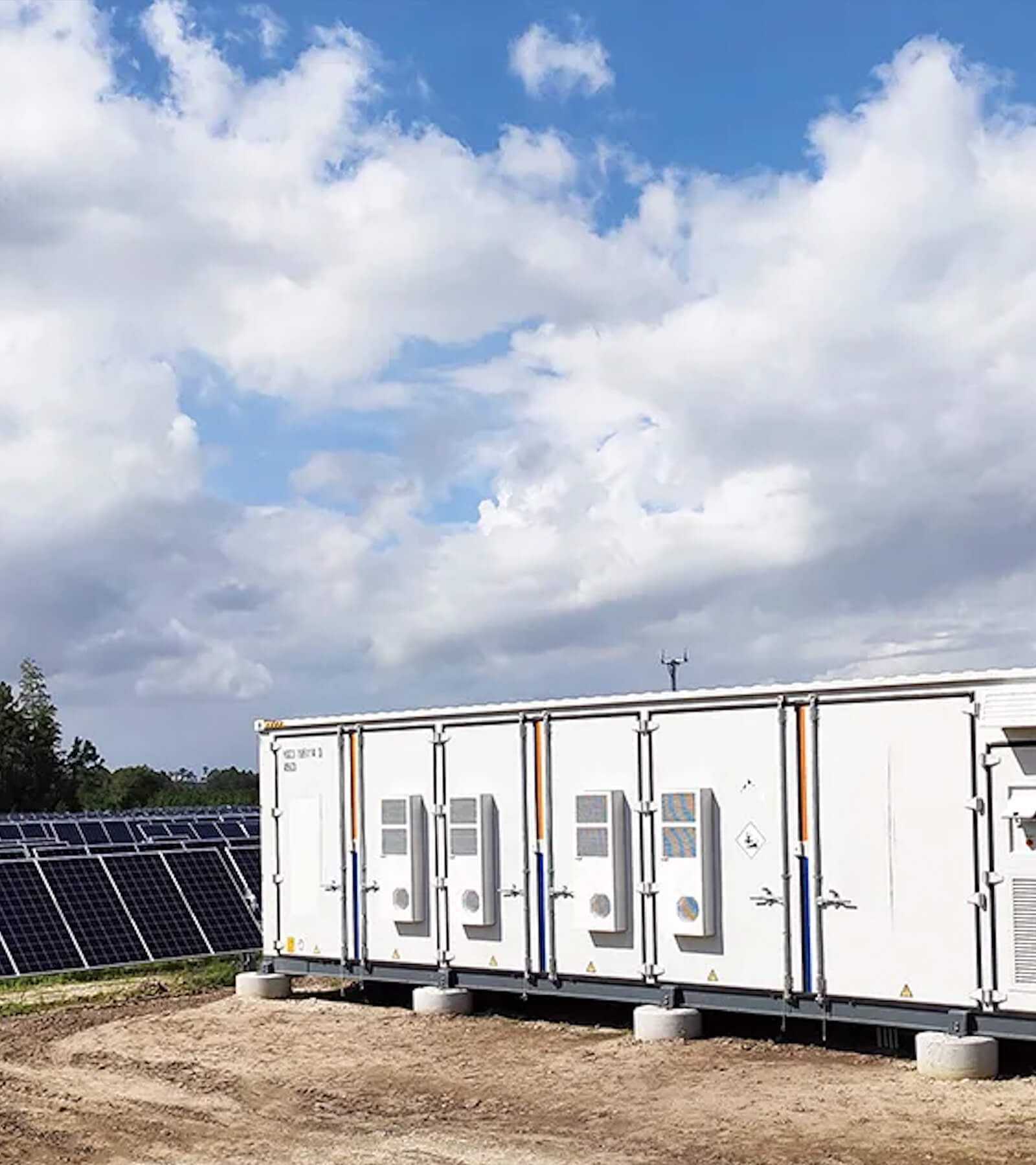
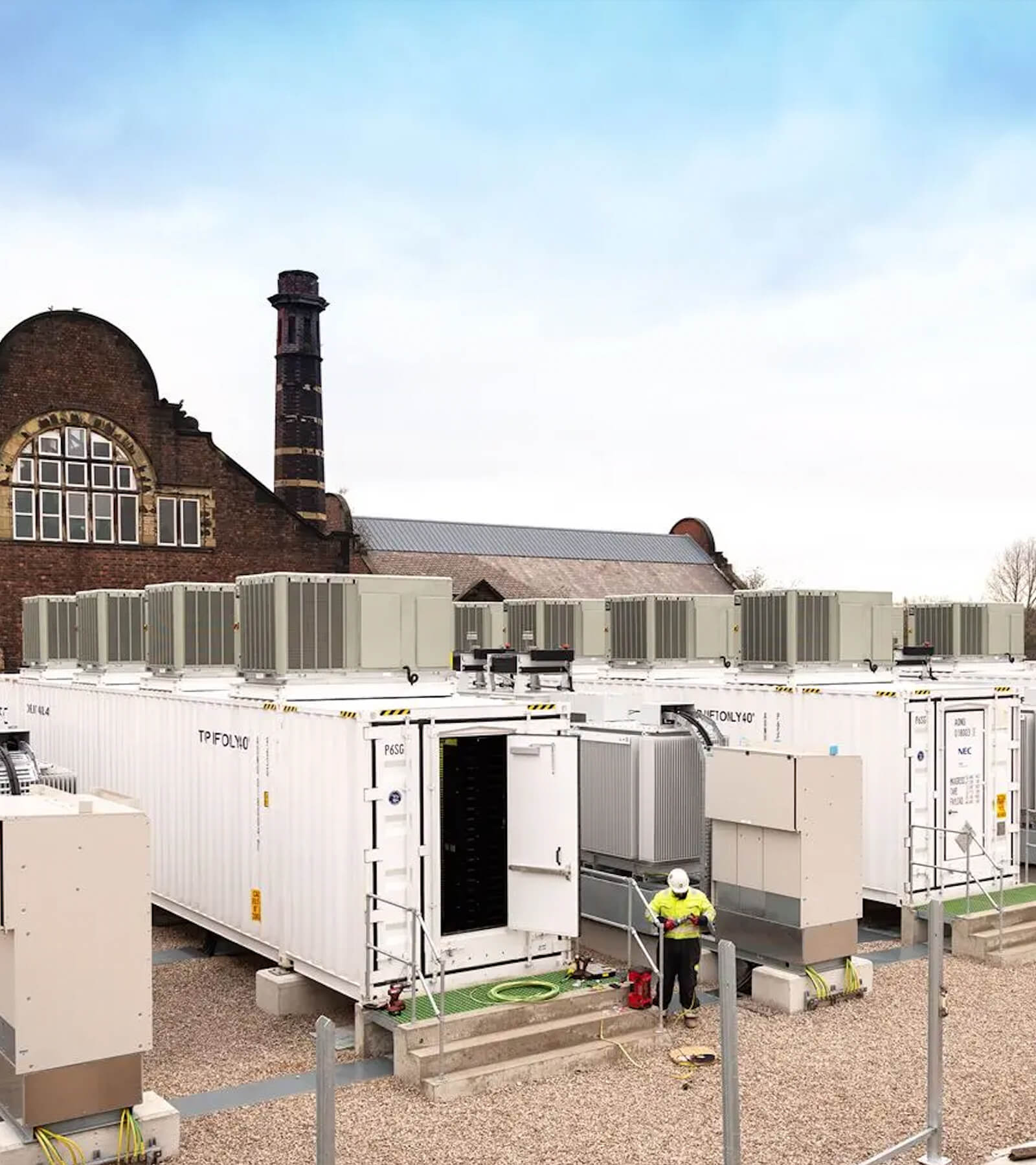
BESS containers aren’t just “batteries in a box”—they’re the grid’s SWAT team. Packed with lithium-iron phosphate (LFP) batteries (safer, longer-lasting than lithium-ion) and four-quadrant inverters (the “brains” of the system), they detect voltage drops in microseconds and inject power faster than a Formula 1 pit stop (which takes ~2 seconds). Here’s how they’re saving the day across Europe:
Sub-Millisecond Heroics for Industrial Giants
When a voltage sag hits, every millisecond counts. BESS containers respond in 20ms—that’s 15x faster than the human eye can blink (300ms) and 5x faster than the fastest UPS (100ms) (https://www.energy-storage.news/technology/bess-response-times-2024/). For factories, this speed means machinery never notices the dip—no more halted assembly lines or fried sensors.
Case Study: Bavarian Automotive Plant (2024)
A 500-employee auto parts factory in Bavaria (supplying BMW) was drowning in 12% voltage drops that fried robotic arms, delayed shipments, and angered clients. They installed a 500kWh Maxbo Solar BESS container (paired with 2 four-quadrant inverters) in Q1 2024—and the results were transformative (https://www.bmw-group.com/en/news/2024/supply-chain-resilience.html):
|
Metric
|
Before BESS
|
After BESS
|
Improvement
|
|
Average Voltage Drop (During Sags)
|
12% (well below EU’s 90% nominal voltage standard)
|
3% (within safe operating range)
|
75% reduction
|
|
Machinery Downtime (Monthly)
|
8 hours (mostly robotic welding arms and conveyor belts)
|
0.5 hours (only planned maintenance)
|
94% reduction
|
|
Annual Losses (Downtime + Repairs)
|
€240,000
|
€12,000 (only minor sensor replacements)
|
€228,000 saved
|
Source: German Federal Ministry for Economic Affairs and Climate Action, 2024 Industry Grid Report (https://www.bmwi.de/Redaktion/EN/Publikationen/2024/industry-grid-resilience-2024.html)
Distributed Protection for Commercial Zones
It’s not just factories—retail districts, hospitals, and data centers need sag defense too. Smaller BESS containers (200kWh-400kWh) act as “neighborhood watchmen,” protecting POS systems (no more lost sales when registers crash), MRI machines (no interrupted patient scans), and grocery store freezers (no spoiled food).
Case Study: Rotterdam Commercial Zone (2025)
Three 300kWh BESS containers (supplied by a European energy firm) were deployed in Rotterdam’s Centrum district in early 2025. The zone includes 2 hospitals, 50+ retail stores, and a small data center—all sensitive to voltage sags. The result? A 75% drop in sag-related equipment failures and €180,000 in annual business losses avoided (https://www.rotterdam.nl/en/news/2025/grid-stability-upgrade):
- A local hospital reported zero MRI shutdowns (down from 4 in 2024).
- A supermarket chain saved €35,000 in spoiled produce (down from €120,000 in 2024).
- Retailers saw POS system crashes drop from 12/month to 3/month—saving €20,000 in lost sales.
The Bottom Line: BESS Containers Save (and Make) Money
Let’s talk cash—because even the best grid solution won’t fly if it breaks the bank. BESS containers aren’t just effective; they’re financial powerhouses that save money and generate revenue.
40% Cheaper Than UPS Fleets (Over 10 Years)
UPS systems are like buying a new phone every year—expensive, outdated fast, and no extra value. BESS containers? They’re the smartphone that lasts a decade, with multiple uses to offset costs.
Example: Spanish Semiconductor Plant (2024)
A 1MW semiconductor fab in Barcelona needed to protect sensitive etching machines (which cost €2 million each and can’t tolerate voltage drops). Choosing a 1MWh BESS container over 50+ UPS units saved them €300,000 over 10 years (https://www.se.com/ww/en/about-us/newsroom/2024/semiconductor-grid-solutions/):
|
Cost Factor
|
1MWh BESS Container
|
50+ UPS Units (1MW Total)
|
Cost Difference (10 Years)
|
|
Upfront Cost
|
~€250,000
|
~€350,000
|
-€100,000
|
|
10-Year Maintenance
|
€1,000-€2,000/year (total: ~€15,000)
|
€25,000-€40,000/year (total: ~€325,000)
|
-€310,000
|
|
Energy Costs (Peak Shaving)
|
-€50,000/year (saves money)
|
€0 (no energy savings)
|
+€500,000
|
|
10-Year Total Cost
|
~€370,000
|
~€670,000
|
-€300,000 (40% cheaper)
|
Dual Revenue: Sag Protection + Peak Shaving
BESS containers are the ultimate side hustlers. When they’re not fighting sags, they’re cutting peak energy costs by storing cheap electricity (during off-peak hours, ~€0.08/kWh) and selling it back to the grid (during peak hours, ~€0.25/kWh)—or using it to power the facility, avoiding high demand charges.
Example: Belgian Industrial Park (2025)
A 500kWh BESS container installed at the Antwerp Industrial Park (home to 12 small manufacturers) earns €27,000 annually from two revenue streams (https://www.elia.be/en/grid-services/peak-shaving-2025):
- Sag Protection Services: €15,000/year (charged to 3 neighboring food factories that need voltage backup).
- Peak Shaving: €12,000/year (saves the park €8,000 in demand charges and earns €4,000 from grid services).
That’s like having a part-time job for your battery—turning a “cost center” into a “revenue center.”
Why We (Maxbo Solar) Built the Ultimate Sag Fighter
At Maxbo Solar, we didn’t just design BESS containers—we built them to outsmart Europe’s grid gremlins, with EU-specific challenges (strict regulations, variable weather, industrial diversity) in mind. Here’s why our systems are the top choice for factories, hospitals, and cities across the bloc:
Our Secret Sauce: Four-Quadrant Inverters
Most BESS systems only handle active power (the energy that runs machines). But our proprietary four-quadrant inverters manage both active and reactive power (the “hidden” power that stabilizes voltage)—a game-changer for sag mitigation (https://www.maxbo-solar.com/bess-technology):
- Boost Voltage During Sags: Injects power in 20ms to keep voltage at 90% of nominal (EU’s safe standard).
- Absorb Excess Power During Surges: Prevents equipment burnout when the grid spikes (e.g., after a lightning strike).
- 100% Capacity Utilization: No wasted energy—unlike UPS systems, which sit idle 99% of the time.
Tough as Nails, Flexible as a Gymnast
EU weather is unpredictable—think -20°C winters in Sweden and 40°C summers in Spain. Our BESS containers are built to survive it all, with:
- Temperature Range: -30°C to 60°C (tested in Finland’s Arctic Circle and Spain’s Andalusia).
- Certifications: Meet strict EU standards: IEC 62619 (battery safety), CE (product compliance), and EN 50530 (energy efficiency) (https://www.maxbo-solar.com/certifications).
- Scalability: Need a 200kWh unit for a clinic? Or a 10MWh system for a factory? We scale to fit—no custom engineering headaches. Our modular design lets you add batteries later as your needs grow.
We Practice What We Preach
We don’t just sell BESS containers—we use them, and our clients’ success stories speak for themselves. In 2024, we supplied a 300kWh BESS container to TU Dresden’s research lab (home to a €2.5 million electron microscope that can’t tolerate any voltage blips) (https://www.tu-dresden.de/forschung/energie/grid-stability):
- Since installation, the lab has had zero instrument shutdowns—even during 12 grid sags (down from 8 shutdowns in 2023).
- Dr. Lena Weber, the lab’s director, said: “It’s like having a power bodyguard who never sleeps. We no longer lose weeks of research to voltage dips.”
Want to see for yourself? Check out our BESS specs, case studies, and EU-specific solutions at www.maxbo-solar.com.

Conclusion: The Future of EU Grid Stability Is in a Box
Voltage sags aren’t going away—EU grid demand will grow 25% by 2030 (https://www.entsoe.eu/scratchpad/long-term-projections/), and more renewable energy (wind, solar) will make the grid more volatile. But Europe’s reliance on outdated UPS systems is going away.
BESS containers offer three things UPS can’t: speed (20ms response), scalability (from 200kWh to 10MWh), and savings (40% cheaper over 10 years). By 2035, we predict these battery boxes will handle 50% of EU industrial voltage sag mitigation—turning grid blips into non-events.
For factories tired of downtime, cities tired of blackouts, and businesses tired of wasting money: the solution isn’t more UPS units. It’s a BESS container. And at Maxbo Solar, we’re here to build it—for your factory, your city, and Europe’s grid future.