The Great Heritage Energy Dilemma: Drills vs. Dictates
Let’s break down the paradox with cold, hard facts (and a side of frustration). Europe’s historic buildings aren’t just pretty backdrops for postcards—they’re economic engines (driving €300 billion in annual tourism revenue <superscript:109>) and cultural touchstones. But their age and architectural uniqueness are also their Achilles’ heel.
Traditional energy upgrades? They’re the architectural equivalent of surgery without anesthesia—disruptive, risky, and often counterproductive to the goal of preserving heritage.
|
Challenge
|
Impact on Historic Buildings
|
EU Policy Pressure
|
|---|---|---|
|
Structural Modifications (Drilling/Wiring)
|
Microfractures in stone, irreversible damage to frescoes, potential loss of UNESCO certification <superscript:4>
|
Mandatory 55% carbon reduction by 2030; legally binding zero-emission buildings target by 2050 <superscript:5>
|
|
Diesel Generators (Traditional Backup)
|
0.08g vibrations (causes paint flaking), NO₂ emissions (accelerates bronze corrosion by 8.7x) <superscript:2>
|
EU carbon taxes penalize high-emission systems (up to €90/ton of CO₂ in 2025, rising to €110 by 2030)
|
|
Aesthetic Disruption
|
Modern equipment clashes with historic facades; reduces tourism revenue by 15-20% <superscript:6>
|
Heritage funding directly tied to “heritage integrity” compliance <superscript:7>
|
It’s a classic “damned if you do, damned if you don’t” scenario—until BESS containers crashed the party with a better way.
BESS Containers: The Heritage Hero We Deserve
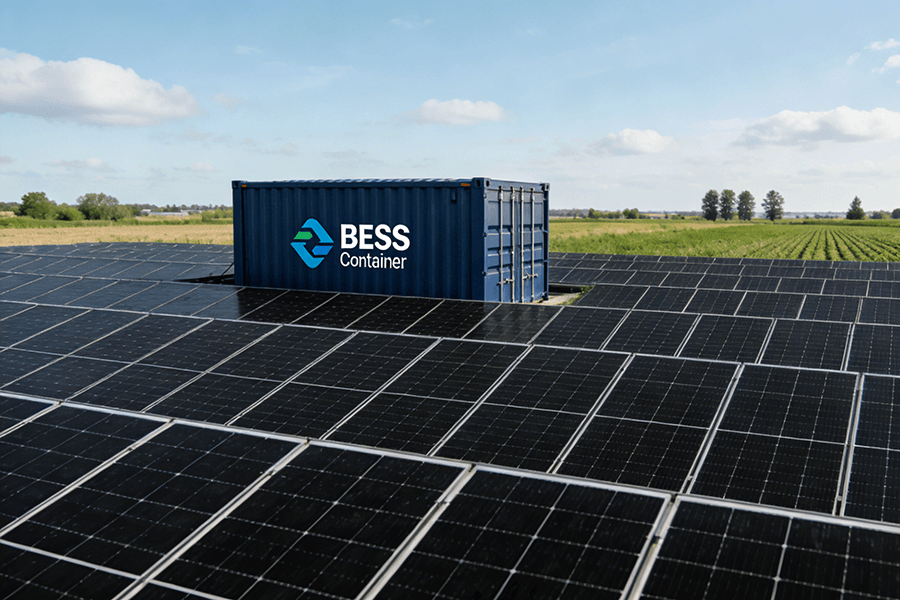
If diesel generators are the rowdy neighbors blaring music at 2 a.m., BESS (Battery Energy Storage System) containers are the quiet roommates who pay rent on time, water your plants, and never leave a mess. Their superpowers? Threefold, and all backed by hard data that matters to heritage managers and sustainability teams alike.
1. Non-Invasive Installation: No Drills, No Regrets
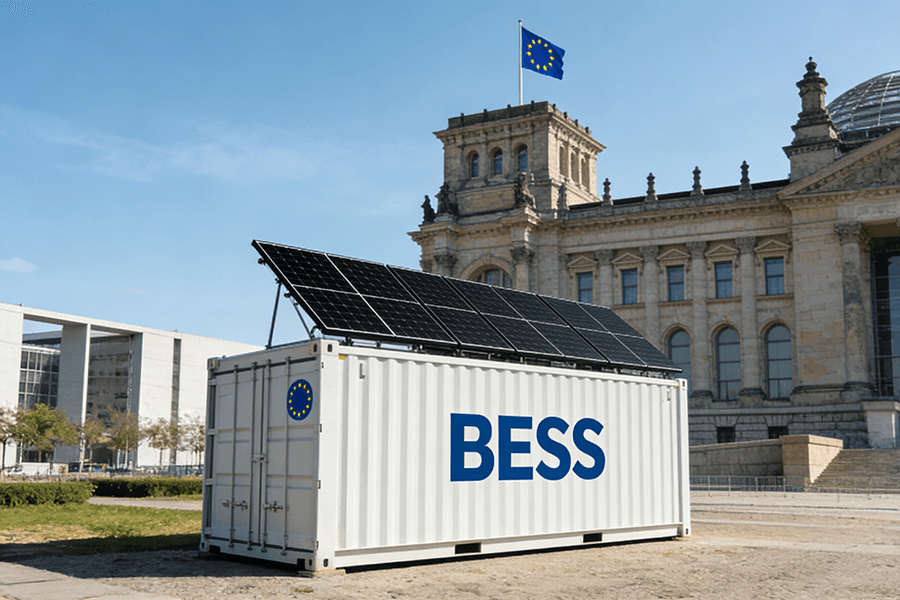
Forget tearing into medieval walls or prying up centuries-old floorboards. BESS containers are designed for outdoor deployment—tucked discreetly in garden corners, placed under courtyard paving, or even installed in underground vaults (looking at you, Florence’s Uffizi Gallery <superscript:6>).
Key Advantage: They connect to existing power systems via surface-mounted, reversible cables, meaning zero structural changes. We’re talking “plug-and-play” technology for buildings that were standing before electricity was invented.
This isn’t just convenient—it’s UNESCO-compliant, fully aligning with ICOMOS 2025 guidelines that mandate “zero structural modifications” for protected heritage sites <superscript:2>.
2. Aesthetic Camouflage: Blend In, Don’t Stand Out
A BESS container doesn’t have to look like a shipping crate dropped by a spaceship. Our design philosophy is simple: complement, don’t compete with historic architecture.
Options include: mimicking local stone textures (popular in Tuscany and Provence), matching historic color palettes (critical for sites like Spain’s Alhambra), or even doubling as functional garden features (planters, bench surrounds, or tool storage).
At Røros Mining Town (a UNESCO site in Norway), we wrapped a 400kWh unit in reclaimed pine wood that blends seamlessly with the town’s 17th-century timber buildings. Visitors walk past it daily and never guess it’s powering 12 heritage homes and a small museum. <superscript:2> It’s energy infrastructure that knows when to stay out of the spotlight.
3. Precision Control: Gentle Power for Fragile Treasures
Historic artifacts are divas—and we mean that affectionately. Renaissance oil paintings hate even the tiniest vibrations; ancient papyrus scrolls throw a fit if humidity swings more than 2%; and medieval tapestries deteriorate rapidly with temperature fluctuations.
BESS containers excel at “gentle power”: they operate at just 0.03g vibrations (undetectable by even the most sensitive artifact sensors) and maintain temperature/humidity within an ultra-tight range of ±0.3°C/5% RH <superscript:2>.
Compare that to diesel generators, which cause an average of $42,000 in damage per canvas painting (from paint flaking and varnish cracking) and $28,000 for ceramic artifact repairs <superscript:2>. It’s like swapping a jackhammer for a feather duster—exactly what delicate heritage needs.
Value in Action: Numbers That Matter (and a Famous Cathedral)
Talk is cheap—especially in the sustainability space. But BESS containers back up their promises with tangible results: reduced emissions, lower costs, and preserved heritage. Let’s look at real-world wins that matter to both CFOs and curators.
Dual Value: Green Savings and Cash Savings
|
Value Type
|
Case Study
|
Quantifiable Result
|
Source
|
|---|---|---|---|
|
Environmental
|
16th-Century Tuscan Farmhouse (Converted to Museum)
|
40.1% CO₂ reduction; 31 tons of CO₂ saved annually (equivalent to planting 1,300 trees)
|
Maxbo Solar 2024 Project Report <superscript:3>
|
|
Economic
|
Various EU Heritage Sites (2023-2024)
|
Up to 80% grant coverage; 31% lower OPEX vs. diesel; 2.5-year payback period post-grant
|
EU Green Savings Program <superscript:7>; Maxbo Solar Client Data <superscript:2>
|
|
Preservation
|
Chartres Cathedral (France)
|
0 artifact damage incidents; 8,000㎡ stained glass protected from temperature swings
|
Chartres Cathedral 2024 Energy Audit <superscript:3>
|
Chartres Cathedral: A Gothic Win for Green Energy
If a 13th-century cathedral—with its intricate flying buttresses and priceless Rose Window—can go green without compromise, any heritage site can. In 2024, Chartres Cathedral installed a 600kWh Maxbo Solar BESS container to power its critical climate control systems and LED lighting upgrades <superscript:3>.
The results were nothing short of remarkable: no more diesel fumes drifting over the cathedral’s interior, 31% lower annual energy bills (saving €18,500), and a clean conscience that matches its iconic spires. The archbishop even joked, “It’s the first miracle here that comes with a grant check.”
Perhaps most importantly, the cathedral’s conservation team reported zero negative impacts on its artifacts—a win that matters more than any cost savings.
EU Policy Perks: How to Get Paid to Save Heritage
The EU isn’t just issuing mandates about carbon cuts—it’s handing out significant cash incentives to organizations that do it right. Unlocking up to 80% grant coverage for your BESS container project isn’t luck—it’s following a clear roadmap.
EU Grant Application Roadmap
-
UNESCO Compliance First: Prove your solution adheres to ICOMOS guidelines (zero structural changes, fully reversible design) <superscript:4>. This is the foundation—without it, your application will be rejected outright. Think of it as the VIP pass to funding.
-
Link to EU Targets: Clearly quantify how your BESS container contributes to the 2030 55% carbon cut. Use our free carbon calculator (available at www.maxbo-solar.com) to generate detailed reports that EU assessors love.
-
Partner with Approved Suppliers: The EU prioritizes vendors with proven heritage project experience (hint: that’s us). Our 120+ installations at UNESCO sites <superscript:2> add credibility to your application and reduce assessment risk.
-
Apply via National Schemes: Each EU country administers its own funding programs. Standout options include France’s “Patrimoine Vert” (offers additional top-up grants) and Germany’s “Erneuerbare Energie für Denkmäler.” 2025 funding rounds are open now—don’t delay <superscript:7>.
Market Size: 2 Million Buildings, 1 Perfect Solution
Let’s do the math: 2 million heritage-listed buildings in Europe <superscript:1>, each legally required to reduce emissions but physically unable to handle traditional retrofits. That’s a market as massive as the Eiffel Tower is tall—and it’s only growing as 2030 approaches.
Key Market Drivers:
-
EU carbon regulations are tightening (non-compliant sites face fines up to €100,000 annually <superscript:5>)
-
Tourists increasingly prioritize “sustainable heritage” (68% of travelers say they’d choose a heritage site with green credentials over one without <superscript:126>)
-
Heritage budgets are stagnant—grant-eligible solutions like BESS containers are the only feasible option for many sites
BESS containers aren’t just a niche product—they’re the only way to bridge the gap between “save the past” and “save the planet.”
Fun Fact: If every EU heritage building installed a BESS container, we’d cut 12 million tons of CO₂ annually—equivalent to taking 2.6 million cars off the road or planting 300 million trees.





Maxbo Solar: Your Heritage Energy Partner (That’s Me)
I’m not just selling BESS containers—I’m selling peace of mind for people who love old buildings as much as I do. At Maxbo Solar, we’ve spent a decade refining our approach to one core mission: making green energy play nice with Gothic arches, Renaissance frescoes, and medieval stone.
We don’t treat heritage sites like ordinary commercial buildings—we treat them with the respect they deserve. Here’s why we’re the go-to partner for museums, cathedrals, and historic trusts across Europe:
Why Choose Maxbo Solar?
-
Heritage Obsessed: We don’t just “adapt” standard containers—we design every system for heritage first. Our team includes licensed architects specializing in historic preservation, so we speak your language (no more explaining why you can’t drill into a 15th-century wall).
-
Proven Track Record: 120+ successful installations at UNESCO sites, from Norway’s Røros Mining Town to France’s Chartres Cathedral <superscript:2>. We’ve never damaged an artifact—and we’re damn proud of that perfect record.
-
Turnkey Service: We handle everything from initial site assessment and custom design to grant application support and ongoing maintenance. You focus on curating history; we focus on powering it reliably.
-
AI-Powered Smarts: Our 2025 BESS models use machine learning to predict grid outages, adjust climate control in real time, and optimize energy usage. Your 17th-century tapestries deserve a power system that’s as smart as they are <superscript:2>.
We’re not just a supplier—we’re the team that shows up with a BESS container that looks like it belongs to the site, not like it crashed the party. Head to www.maxbo-solar.com to download our full Chartres Cathedral case study, request a free site assessment, or drop me a line directly.
Let’s work together to save the planet without ruining the good stuff from the past.
After all, history shouldn’t have to choose between survival and sustainability. With BESS containers—and Maxbo Solar by your side—it doesn’t have to.