The Island Energy Nightmare: Why “Grid Reliance” Is a Four-Letter Word
Europe’s islands are postcard-perfect—whitewashed villages, turquoise waters, fresh seafood—but their energy stats? They’re uglier than a storm-damaged ferry schedule. Let’s cut through the tourism brochures and look at the hard numbers:
|
Pain Point
|
Shocking Statistic
|
Real-World Impact
|
|---|---|---|
|
Fossil Fuel Dependency
|
Energy import share >60% for most non-interconnected islands
|
Malta’s 2023 energy mix: 65% gas, 20% oil—only 10% renewables
|
|
Sky-High Electricity Costs
|
2-3x higher than mainland EU
|
Greek island diesel power: €0.35/kWh vs. €0.08/kWh with solar+BESS
|
|
Grid Vulnerability
|
5x more outages than mainland during storms
|
2024 Mediterranean storm left 12 Crete villages without power for 3 days
|
Case 1: Malta—Trapped in the LNG Cycle
Take Malta, a Mediterranean hotspot with 500,000 residents. It imports 90% of its energy via LNG tankers and diesel shipments—ships that can take weeks to arrive during rough seas . When global gas prices spiked in 2022, Maltese households saw monthly electricity bills jump by €40—enough to cover a family’s weekly grocery run, or 15 rounds of gelato. For small businesses like beachside cafes, the hit was worse: some had to hike prices by 20% just to stay afloat.
Case 2: Chalki—A Tiny Island Drowning in Fuel Bills
Over in Greece, the tiny island of Chalki (population 250) was burning through €250,000 annually on imported fuel—just to power streetlights, a small clinic, and 80 homes . That’s €1,000 per resident, per year, on energy alone. For an island where the main industries are fishing and tourism, this wasn’t “expensive”—it was economic hostage-taking.
BESS Containers: The Three-Pronged Hero We Deserve
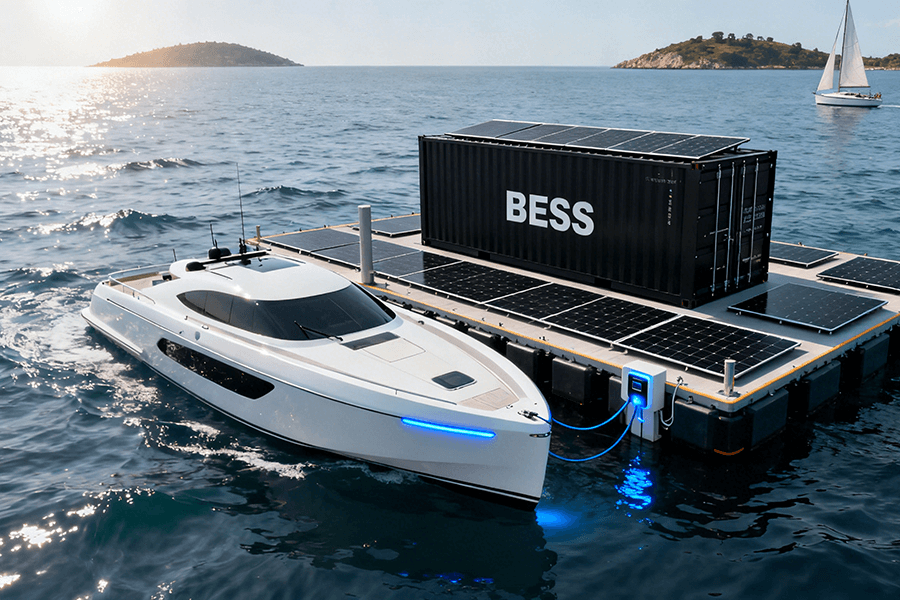
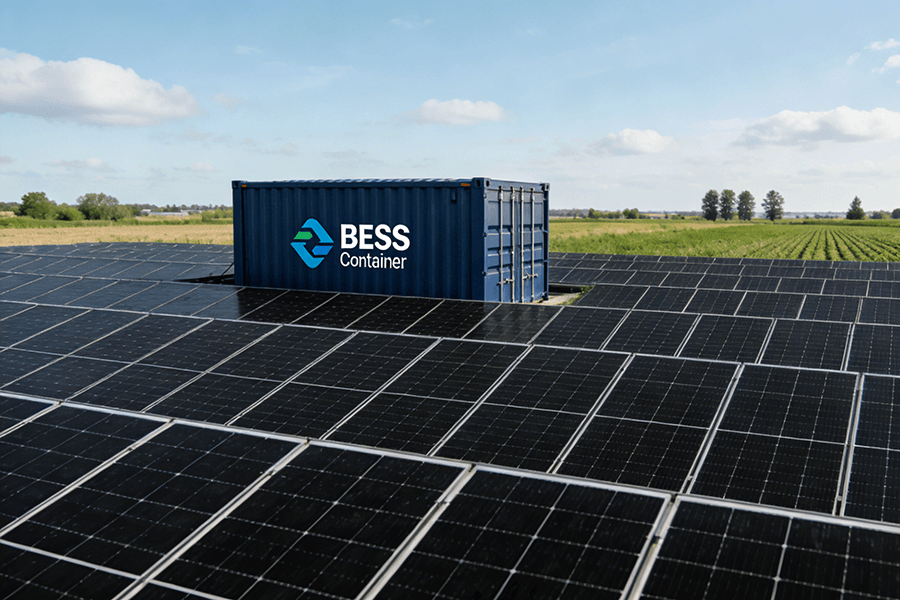
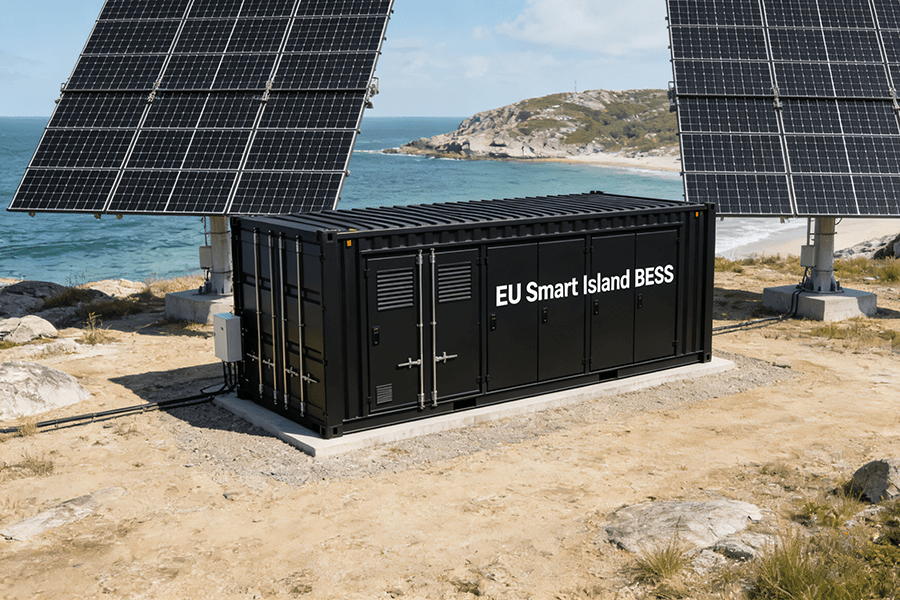
The EU Smart Island BESS Container isn’t a one-trick pony. It’s more like a Swiss Army knife for island energy—solving three existential problems with the efficiency of a Greek taverna turning out moussaka during peak tourist season. Let’s break down its superpowers:
Renewable Energy: From “Wasted” to “Worshipped”
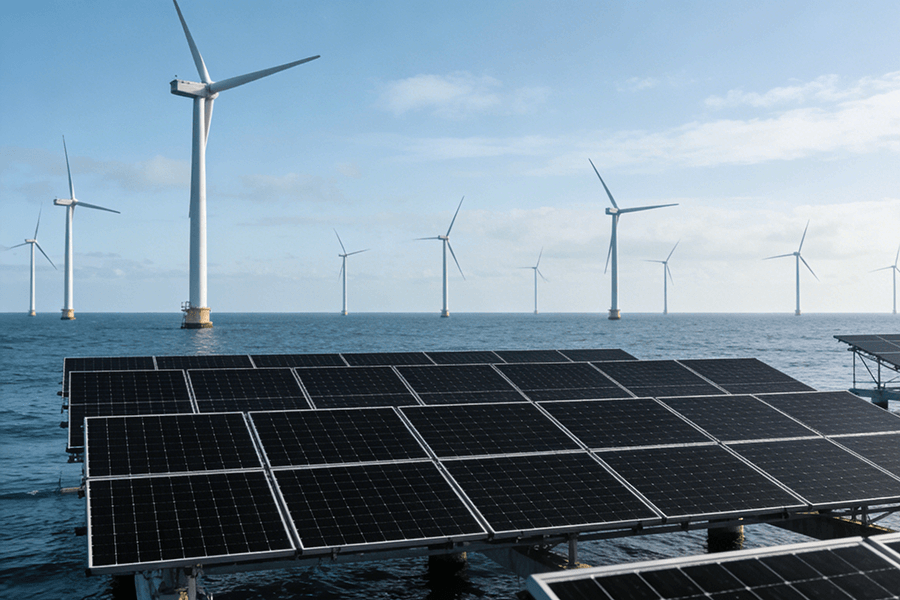
Islands have no shortage of natural energy—Greek islands get 300+ days of sun annually, while Nordic islands have winds strong enough to power wind turbines 24/7. The problem? Without storage, excess solar power at noon would vanish like a tourist’s resolve to avoid souvenirs. BESS fixes this by “banking” surplus energy for when it’s needed most.
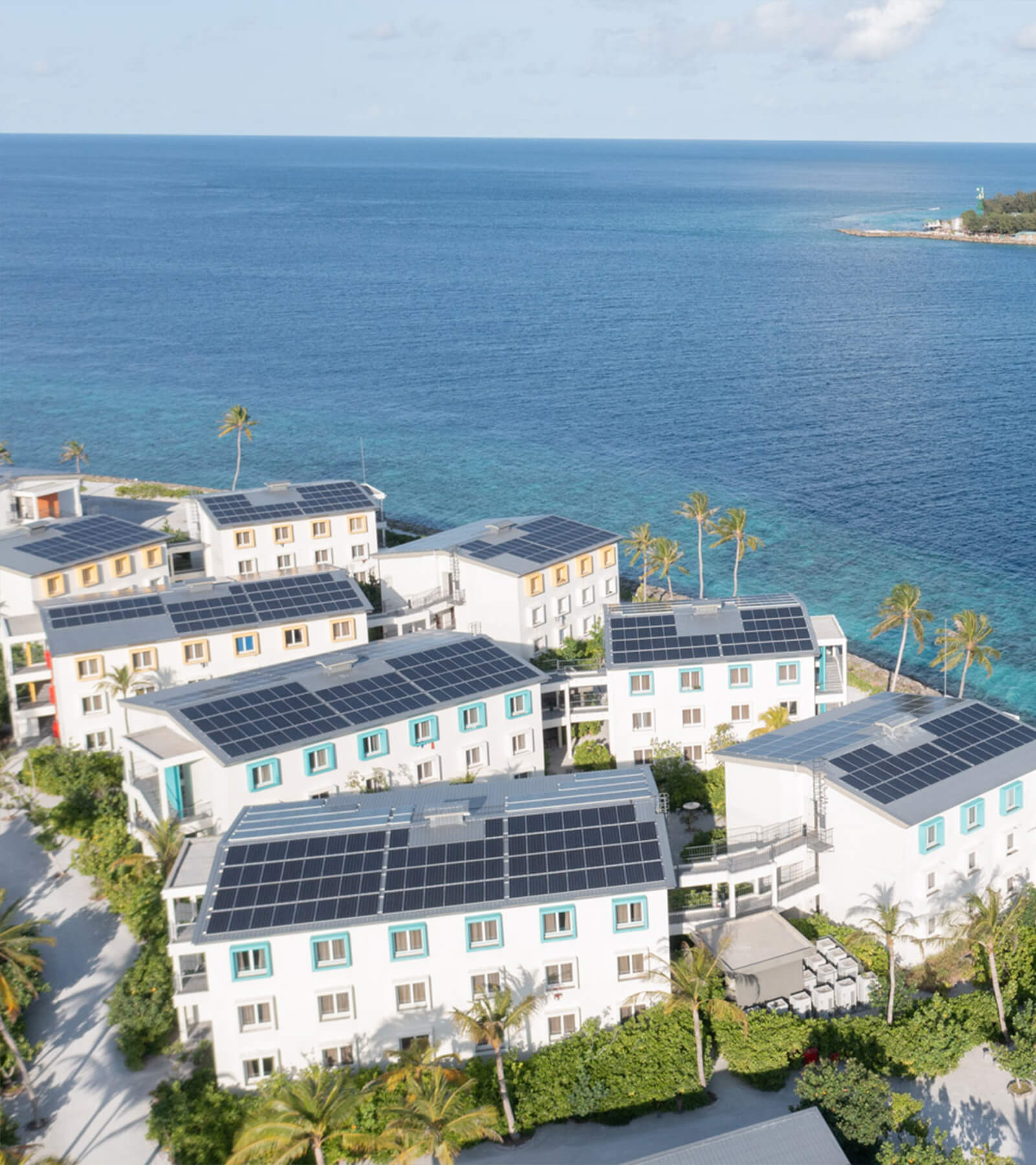
Success Story: Greek Cyclades Islands – A 16kW solar array paired with a 30kWh BESS container transformed a remote Cyclades island. By 2025, it will hit 98% renewable penetration—meaning nearly all its power comes from the sun. Solar self-consumption rate skyrocketed from 15% (without BESS) to 90%+ . The island even earned the EU’s Green Island Certification—now solar panels outnumber souvenir shops 2:1 .
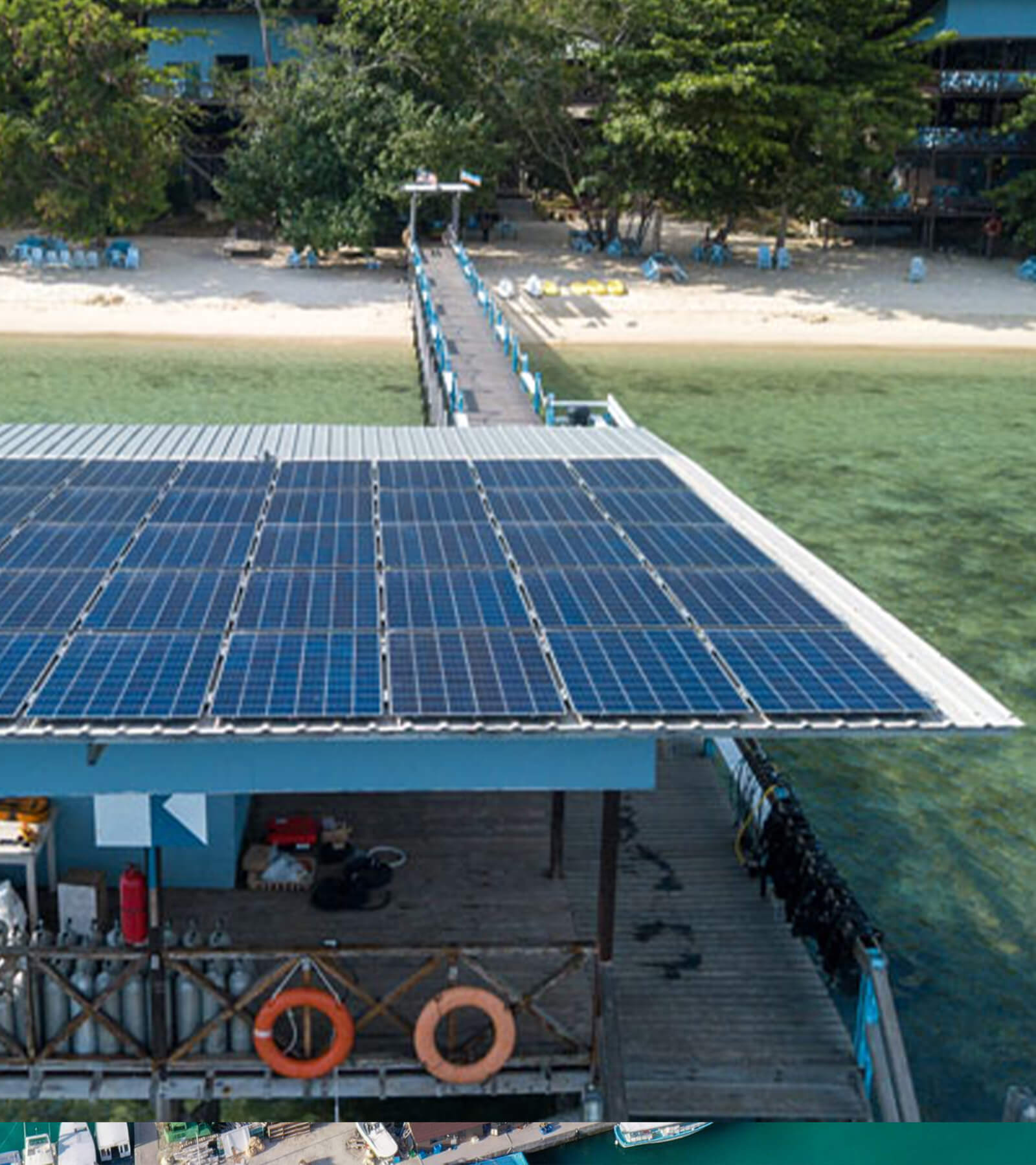
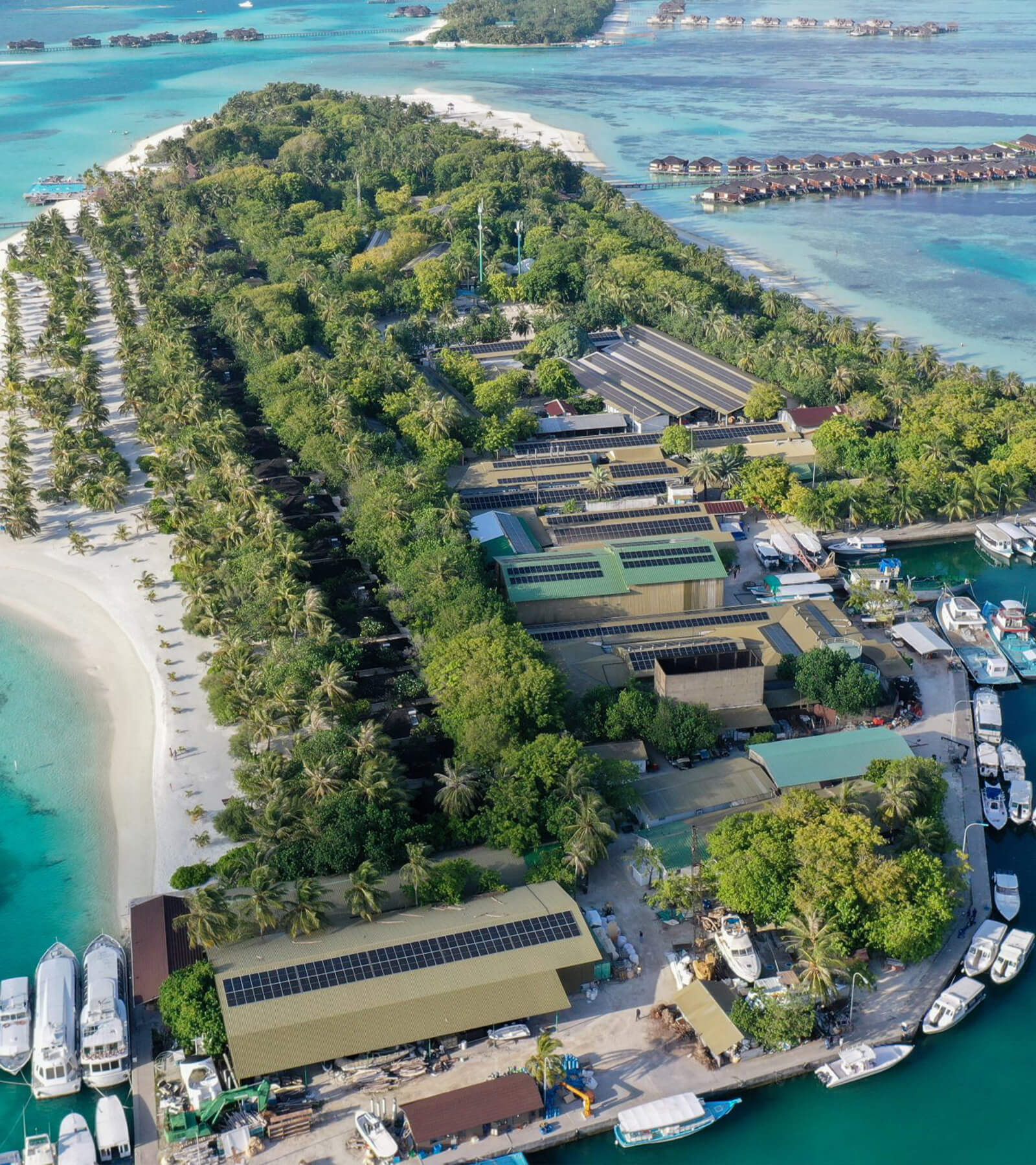
Over in Lipsi, a remote Aegean island, a 10kW PV system with BESS powers a 40-person marine sanctuary—including temperature-controlled labs, food freezers, and a water desalination unit—year-round. The system generates so much surplus energy that the sanctuary had to install extra discharge systems to avoid overloading the grid. That’s the kind of “problem” every island wants.
To quantify the impact, here’s how BESS transforms renewable usage on typical islands:
|
Island Type
|
Renewable Source
|
Self-Consumption (Without BESS)
|
Self-Consumption (With BESS)
|
Annual Savings
|
|---|---|---|---|---|
|
Mediterranean (Greece)
|
Solar
|
15-20%
|
90-95%
|
€12,000/10kW system
|
|
Nordic (Sweden)
|
Wind
|
25-30%
|
85-90%
|
€15,000/10kW system
|
Emergency Power: When Storms Hit, It Doesn’t Flinch
Islands don’t just deal with light rain—they face Mediterranean storms that hurl 100km/h winds, or Nordic blizzards that bury power lines under meters of snow. For these communities, a power outage isn’t inconvenient—it’s life-threatening.
BESS containers are the ultimate backup, kicking in within 0.02 seconds of a grid failure—faster than you can say “evacuation order.” In 2024, a 50kWh BESS unit on Gozo (Malta’s sister island) kept a 60-bed hospital running for 72 hours when a storm knocked out the main grid. It powered critical equipment: ventilators, operating rooms, and the hospital’s emergency generator fuel pump. No diesel panic, no dark hallways—just steady, reliable power. It’s like having a superhero with a battery pack.
Import Cuts: Saying “Adieu” to Fuel Bills
The best part of BESS? Cold, hard cash. By slashing fossil fuel imports, it puts money back into island economies—funds that can go to schools, harbors, or local businesses.
-
Chalki, Greece: A 1MW PV+BESS system cut annual fuel costs by €180,000–€250,000. Residents’ electricity bills dropped by 55%—freeing up €50–€100 per month for families .
-
Sardinia, Italy (Corsica’s neighbor): A 50kWh BESS unit saved a coastal village €120,000+ annually on diesel imports. The village used the savings to repair its fishing harbor, boosting local income by 15% .
-
Gotland, Sweden: A wind+BESS system reduced the island’s diesel imports by 40% in 2025—saving €300,000 in a single winter .
EU Policy: The Wind in the BESS Sails
None of this progress happens in a vacuum. The EU’s “Clean Energy for EU Islands” initiative is the BESS hype man with deep pockets and political clout. Launched in 2018, its goal is to make every European island energy-independent by 2030. Here’s how the policy magic works:
Key Policy Pillars
-
Subsidies That Stick: Governments are putting real money on the table. Italy offers 65% grants for solar thermal panels on small islands, plus up to €850 for energy-efficient heat pumps . Greece’s “Gr-Eco Islands” program funds 70% of BESS installations for community-led energy projects—meaning islands don’t have to foot the bill alone .
-
€500 Million Green Fund: Certified “green islands” get access to a EU pot of gold for upgrades—EV chargers, smart grids, and BESS maintenance. Chalki used its €150,000 share to add a solar-powered wastewater treatment system, reducing its environmental footprint even further .
-
14-Country MoU: The EU signed agreements with 14 coastal nations (from Spain to Cyprus) to streamline permits and share technology. Before this, a BESS project could get stuck in “island bureaucracy hell” for 6+ months. Now? Permits are approved in 45 days .
The result? Projects that used to take 3 years to complete now take 12 months. Bureaucracy, meet your match.
One Size Doesn’t Fit All: BESS for Every Island Vibe
A Mediterranean island baking in 35°C heat needs a different BESS than a Nordic island buried in -10°C snow. That’s why we design these containers like custom suits—tailored to the climate, terrain, and energy needs of each island. You wouldn’t wear a parka to a Greek beach, so why force a BESS to work in the wrong environment?
|
BESS Type
|
Key Design Features
|
Optimized For
|
Real-World Performance
|
|---|---|---|---|
|
Mediterranean-Grade BESS
|
• UV-resistant fiberglass shells• Dual-fan cooling systems (35°C max)• Salt spray protection (coastal air)• High-efficiency solar inverter
|
Solar-dominant grids, high heat, salt air (Greece, Italy, Spain)
|
Tuscany vineyard BESS: 98% efficiency during 2024 heatwave (unprotected units: 82%)
|
|
Nordic-Grade BESS
|
• Insulated steel shells (-20°C min)• Built-in dehumidifiers• Wind-turbine sync technology• Low-temperature battery chemistry
|
Wind-dominant grids, freezing temps, heavy snow (Sweden, Norway, Finland)
|
Gotland, Sweden: Powered fishing village through -10°C blizzard (2025) with 95% uptime
|
Market Boom: 52% Annual Growth—Yes, You Read That Right
Islands aren’t just adopting BESS—they’re racing to install it. Industry forecasts, backed by the EU Energy Agency, predict 52% annual growth in island BESS demand between 2025 and 2030 . By 2030, the global island BESS market is expected to hit €2.3 billion. Why the rush? Because it’s not just about saving money—it’s about survival.
Islands are on the frontlines of climate change, and tourists are voting with their wallets. A 2025 EU survey found that 78% of travelers to Greek green islands chose the destination specifically for its eco-credentials . A BESS container isn’t just a power tool—it’s a tourism magnet.
TripAdvisor reviews even reflect the shift. In 2024, a typical review for a Cyclades island read: “Cute, but smells like a diesel truck stop.” By 2025? “10/10—the dolphins here have better wifi than my office.” That’s the kind of ROI you can’t put in a spreadsheet—it’s about quality of life, and attracting the right visitors.
Why Maxbo Solar? We Speak Island (and BESS)
Full disclosure: I’m not just writing about this tech—I live and breathe it. I’m part of the Maxbo Solar team, and we’re the engineers who blend German precision (think: bulletproof battery systems) with Mediterranean flair (think: solutions that work for tavernas, fishermen, and families). When that Cyclades island wanted to ditch diesel, they didn’t call a big, faceless corporation—they called us.
We designed their 16kW solar + 30kWh BESS system from scratch, factoring in everything from the island’s wind patterns (which can disrupt solar panels) to the taverna’s peak beer-fridge usage (6 PM, right after the ferry arrives). We didn’t just sell them a box—we built a system that fits their life.
What Makes Maxbo Different?
-
No “Off-the-Shelf” Solutions: We don’t ship the same BESS to Sweden and Sicily. For Chalki’s energy community, we integrated virtual net metering so residents could share solar profits—turning energy into a community asset. For the Aegean marine sanctuary, we tweaked the system to power sensitive lab equipment and desalination without voltage spikes .
-
Harsh Environment Testing: We don’t test our BESS in air-conditioned labs. We put them through hell: Tuscany’s 40°C heatwaves, Gotland’s -10°C blizzards, and salt-spray chambers that mimic 10 years of Mediterranean coastal air. If it breaks in our tests, it doesn’t ship.
-
Local Partnerships: We work with island electricians, engineers, and mayors—because no one knows an island like its residents. On Gozo, we trained 5 local technicians to maintain the hospital’s BESS, so the community doesn’t rely on mainland experts.
And we’re not done innovating. Our 2025 lineup includes modular BESS units that grow with your island. Want to add 5 more solar panels next year? Just plug in an extra battery module—no demo, no rewiring. It’s like Legos for energy, and it’s changing how islands think about power.
Curious how we can turn your island’s energy nightmare into a success story? Head to www.maxbo-solar.com to check out our Cyclades and Chalki case studies—complete with data, photos, and resident testimonials. We’ll even throw in a virtual tour of our BESS test facility—no ouzo required (but it’s definitely encouraged).


The Future: Islands That Power Themselves
Europe’s islands aren’t just places to vacation—they’re the future of clean energy. With BESS containers, EU policy backing, and teams like ours at Maxbo Solar, the days of diesel fumes, sky-high bills, and storm-induced blackouts are numbered.
The EU’s goal is clear: 100% renewable power for all non-interconnected islands by 2030 . That’s not a vague promise—it’s a timeline, with funding, permits, and technology to back it up. For islands like Chalki, Lipsi, and Gozo, the future is already here.
Next time you’re sipping ouzo on a Greek island, or eating fresh seafood on a Swedish coast, look up at the solar panels or wind turbines. Listen closely—that’s not just the wind or the waves. That’s the sound of energy independence. And it’s only getting louder.