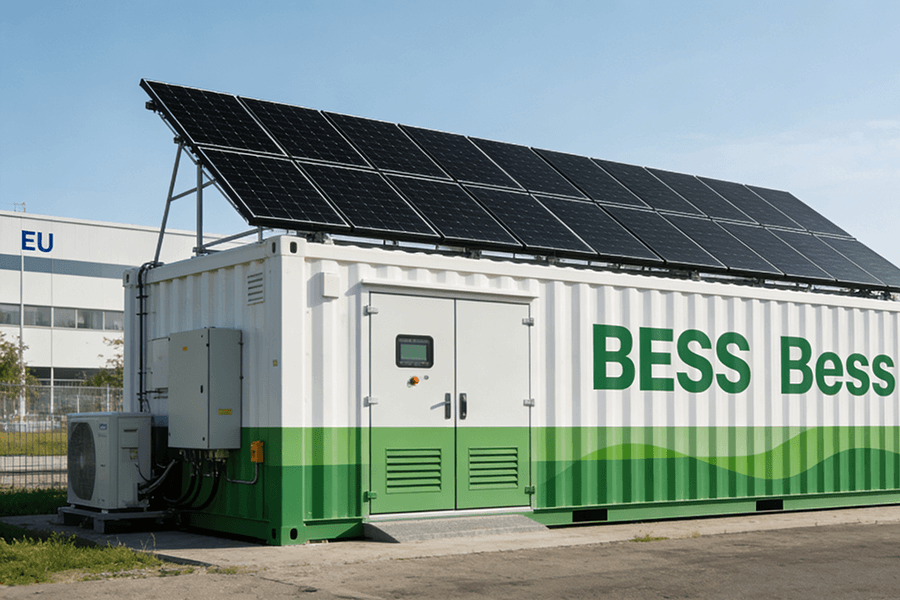
he EU’s “No BESS, No Permit” Policy: Non-Negotiable Mandate
The EU’s ambitious Fit for 55 package and updated Alternative Fuels Infrastructure Regulation (AFIR) have officially turned “maybe” into “must” for solar-storage-charging integration in new buildings. This isn’t bureaucratic red tape—it’s a targeted solution to a pressing crisis.
As electric vehicles (EVs) flood European roads and smart buildings consume more power, the existing grid struggles to handle peak demand surges. To prevent blackouts and hit renewable energy targets, the EU has set clear, enforceable rules that leave no room for ambiguity. Here’s the mandatory compliance breakdown for 2030:
|
Building Category
|
EV Charging Mandate
|
Solar & Storage Requirements
|
|---|---|---|
|
Residential (New)
|
1 ultra-fast charger (≥150kW) per 10 households
|
PV capacity ≥ 1.2x total charger power; BESS capacity ≥ 0.8x total charger power
|
|
Commercial (New)
|
1 charger per 5 parking spaces (minimum 20% ultra-fast)
|
PV capacity ≥ 1.2x total charger power; BESS mandatory with 4-hour discharge capability
|
|
Public Buildings (Schools/Hospitals)
|
1 charger per 8 parking spaces; 50% accessible to public
|
PV capacity ≥ 1.5x total charger power; BESS with backup power function
|
Germany, a frontrunner in EU green policy, has already jumped ahead. By 2025, 25% of new buildings in the country have already installed these integrated systems—double the 2023 rate. Think of this mandate like a seatbelt law for energy: Annoying to implement initially, but you’ll thank the regulators when the grid doesn’t crash during your morning coffee run or evening EV charging rush.
Non-compliance isn’t an option. Developers face fines of up to 2% of the total construction budget and delayed occupancy permits—costs that far outweigh the investment in a BESS container.
Why BESS Containers Are the Unsung Hero of Green Buildings
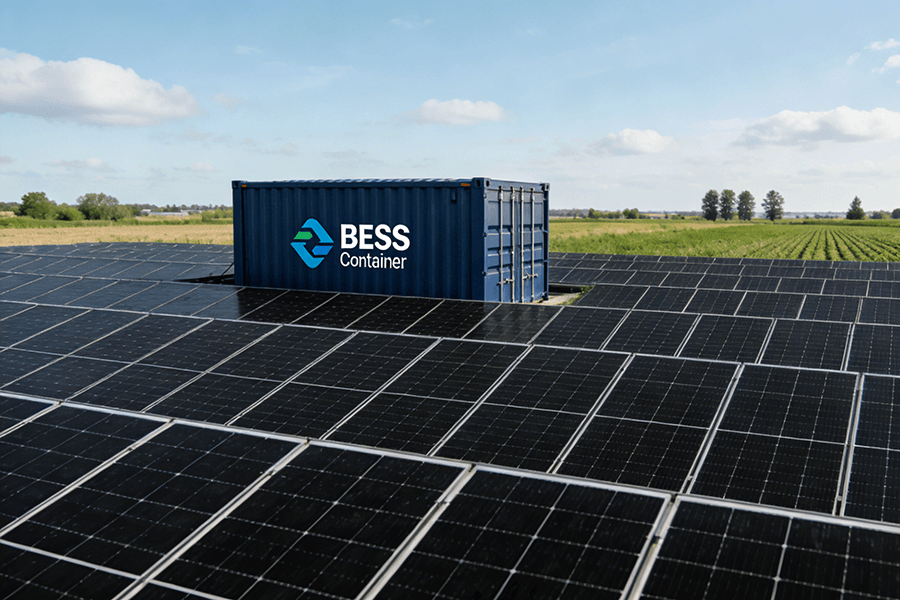
A BESS container isn’t just a “big battery in a box”—it’s a 24/7 energy traffic cop, directing power where it’s needed most. It solves three core pain points for developers, operators, and utilities alike, with data-backed results:
PV Self-Consumption: Turn “Wasted Sun” Into Hard Savings
Without storage, rooftop solar panels are inefficient by design. They generate maximum power at midday—when offices are half-empty and residents are at work—forcing excess energy back to the grid for a fraction of its retail value.
BESS fixes this by “stashing the sun” (storing excess solar energy) for when demand peaks. In Greece’s Cyclades Islands, this integration boosted solar self-consumption from a measly 15% to over 90%. For most European buildings, the sweet spot lands around 80% self-consumption—meaning you use nearly all the clean energy you capture instead of subsidizing the grid.
The math is clear: A 100kW PV system with BESS saves ~€12,000 annually compared to a standalone solar setup, thanks to avoided grid electricity costs.
Charging Support: Slash Bills With “Buy Low, Sell High” Logic
EV charging operators’ biggest enemy? Peak electricity prices. They’re the energy equivalent of tourist restaurant surcharges—unavoidable but infuriating. BESS containers eliminate this pain point by acting as a cost buffer.
Here’s how the strategy works:
-
Off-Peak Charging: BESS draws power from the grid between 10 PM–6 AM, when rates drop to ~€0.20/kWh
-
Peak Discharging: BESS powers EV chargers between 8 AM–10 AM and 5 PM–8 PM, when grid rates jump to €0.40–€0.60/kWh
The result? A 30–40% drop in electricity costs for charging operators. For a mid-sized office building with 50 EV chargers, that translates to€30,000–€40,000 in annual savings—enough to cover the BESS container’s maintenance costs for a decade.
Grid Friendliness: Dodge the “Grid Upgrade Tax”
Imagine 10 employees plugging in their EVs at a new office building at 6 PM—without BESS, the grid sees this surge like a crowd rushing a buffet line, and it buckles. Utilities then hit developers with a massive “grid upgrade” bill to handle the load.
BESS acts as a shock absorber. By releasing stored power during peak demand, it reduces the building’s grid load by up to 80%. That’s not just convenient—it’s a financial lifesaver.
Grid upgrades cost €50,000–€200,000 for mid-sized commercial buildings, depending on location. A BESS container pays for itself in avoided fees alone, typically within 3–5 years.
Case Study: Munich’s BESS-Powered Mall—Results That Speak
Theory is great, but real-world results matter more. Take a new shopping mall in Munich—part of Germany’s “Green Building先锋计划” (Pioneer Program)—which installed a 150kW PV system paired with a 200kWh BESS container in 2024. Here’s how it performed in its first year:
Key Performance Metrics Annual PV Generation: 120,000 kWh EV Charging Demand Met: 80% (no grid power needed during peak hours) Grid Load Reduction: 80% (vs. projected without BESS) Annual Cost Savings: €24,000 (grid power + avoided upgrade fees) CO2 Emissions Cut: 54 tons/year (equivalent to 11.7 cars off the road)
The mall’s facility manager, Klaus Müller, put it best: “We went from worrying about grid outages during Black Friday sales to forgetting the grid even exists. Our tenants love the reliable charging, and our energy bills are a pleasant surprise.”
For context, Germany’s largest solar+BESS project (Project Jupiter) is scaling this exact model to 500MW—proof that small, building-level systems are just the tip of the iceberg.
The Tech Behind High-Performance BESS Containers
Not all BESS containers are created equal. The best ones—like those we build at Maxbo Solar—are engineered specifically for EU green buildings, checking three critical boxes:
-
Modular, Scalable Design: One size doesn’t fit all. A 10-unit apartment building needs a 50kWh system; a 100-storey office tower needs up to 1MWh. Our containers stack like Lego, so you only pay for what you need—no wasted space, no overinvestment.
-
AI-Powered Smart Scheduling: Our proprietary algorithm doesn’t just store power—it predicts demand. It learns your building’s patterns: when the sales team charges EVs (5 PM), when HVAC kicks in (noon on hot days), even when cloudy weather will reduce PV output. It’s like an energy manager who never sleeps (and never asks for a raise).
-
EU Compliance Built-In: This is non-negotiable. Our containers meet BS EN ISO 10855-1:2024 (the EU’s 2024 mandatory standard) and IP66 protection—meaning they handle rain, snow, and Parisian hailstorms. We also include pre-approved documentation for EU building permits, cutting red tape by 6–8 weeks.
The €900 Billion Market: Why Now Is the Time to Invest
Let’s talk money—because that’s what moves developers. The EU’s 2025–2030 green building push is projected to create a €900 billion market for solar-storage-charging systems. To put that in perspective, that’s larger than the GDP of Austria (€477 billion) or Denmark (€392 billion).
This isn’t a fleeting trend—it’s the intersection of three unstoppable EU goals:
|
Sector
|
EU 2030 Target
|
Role of BESS Containers
|
|---|---|---|
|
Buildings
|
12 million new green buildings; 50% of existing buildings retrofitted
|
Mandatory compliance component for permits
|
|
Energy
|
42.5% of energy from renewables (up from 22% in 2020)
|
Enables higher solar penetration by reducing waste
|
|
Transport
|
50% of new car sales are EVs; 1 million public chargers
|
Supports reliable, cost-effective EV charging
|
BESS containers are the glue holding these three sectors together. They turn buildings from passive “energy users” into active “energy hubs”—and that’s why smart developers are locking in suppliers now. Waiting until 2029 means higher costs, longer lead times, and missed opportunities.
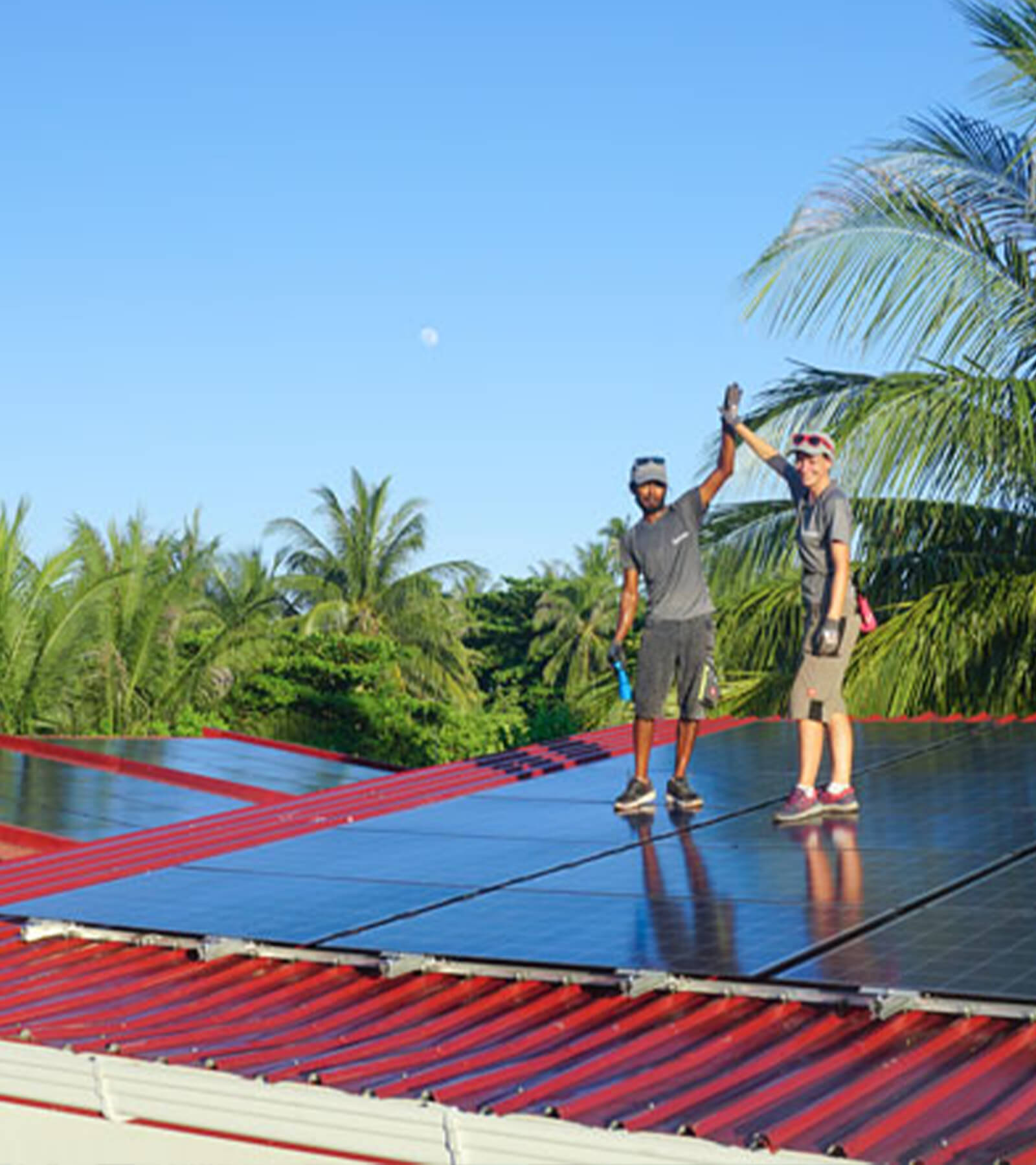
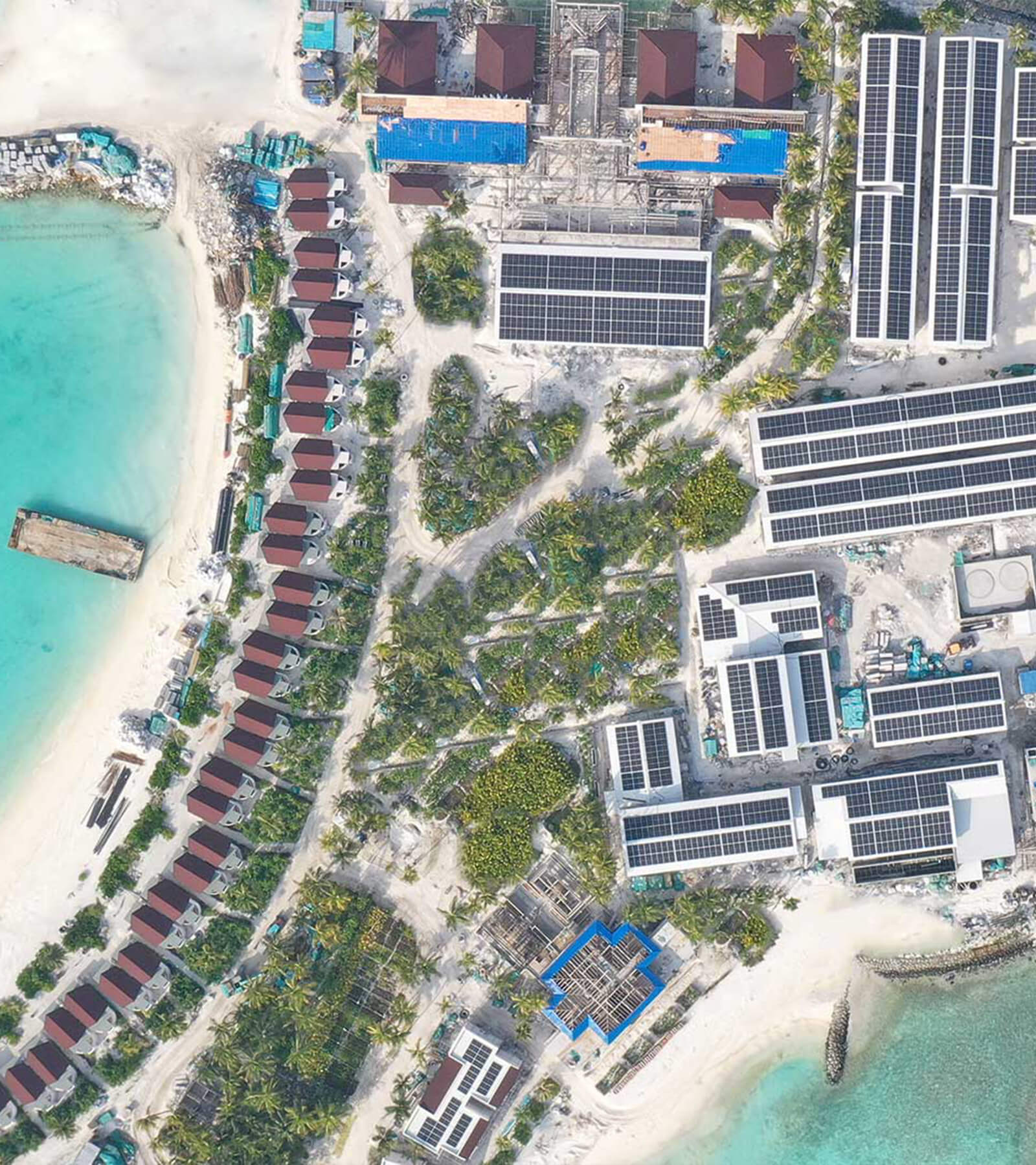
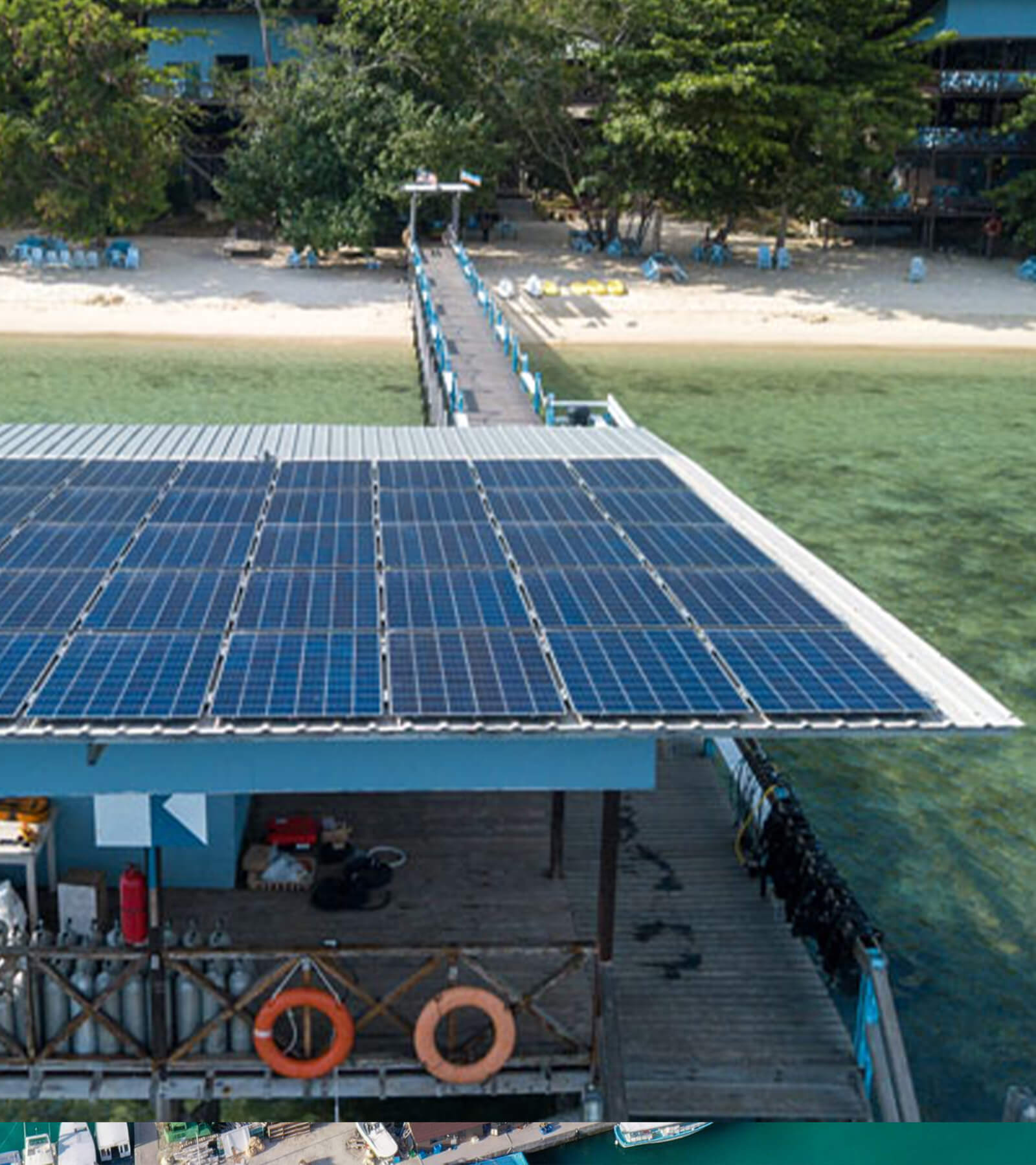



Why Maxbo Solar Is Your EU BESS Partner (From Someone Who Lives This)
I’ve spent the last 5 years at Maxbo Solar, and I can tell you this: We don’t just sell BESS containers—we solve EU compliance headaches. We’re trusted by 200+ developers across Germany, Spain, and France because we speak their language (both literally and figuratively).
Here’s what makes us different:
-
Proven Reliability in EU Conditions: Our containers aren’t tested in labs—they’re battle-proven. We’ve had units running zero-fault for 2 years in Norway’s North Sea, where salt spray and -20°C winters are the norm. If they can handle that, they’ll laugh at a Berlin rainstorm or a Madrid heatwave.
-
Turnkey Solutions, No Headaches: We handle everything: site assessment, system design, installation, EU certification, and even staff training. You won’t get a manual and a pat on the back—you’ll get a plug-and-play system that’s permit-ready on day one.
-
Local Support, When You Need It: We have offices in Munich and Madrid, with native-speaking engineers on call. If you call at 9 AM with a question about Spanish building codes, you’ll talk to someone who knows the answer—no offshore call centers, no wait times.
Our recent project in Barcelona says it all: We delivered 30 units to a 200-unit residential complex—on time, 10% under budget, and fully compliant with Spain’s Código Técnico de la Edificación (CTE) green standards. The developer’s feedback? “We didn’t have to lift a finger except sign the check.” That’s our promise.
Ready to avoid 2030’s “no BESS, no permit” panic? Visit our website at www.maxbo-solar.com to explore our EU-specific BESS solutions. We’ll even send you a free EU Green Building Compliance Checklist—because the last thing you want is to be that developer stuck explaining “what’s a BESS?” to an inspector.