The Pain Points: Why Europe’s Wind Farms Are Crying in Their Saltwater
Before we sing the BESS Container’s praises, let’s quantify the mess it’s fixing. This isn’t just a minor inconvenience—it’s a financial and environmental disaster costing Europe billions annually in missed opportunities and bloated infrastructure bills.
|
Pain Point
|
Shocking Data
|
Source
|
|---|---|---|
|
Curtailment Losses
|
Over €5 billion annually in wasted offshore wind energy—equivalent to powering 1.2 million households
|
Calculated from IRENA & Mordor Intelligence 2025 data <superscript:3>
|
|
Grid Connection Costs
|
30% of total offshore wind project investment; EU needs €400 billion for grid upgrades by 2050
|
ENTSO-E Offshore Network Development Plan <superscript:6>
|
|
Negative Price Risks
|
100+ hours/year of negative electricity prices—threatening 5-8% of CfD project revenues
|
Energy-Storage.News & Afry Analysis <superscript:8>
|
To put it bluntly: Europe’s wind farms are like restaurants with Michelin-starred food but no fridges (to store leftovers) and a tiny front door (the grid). The BESS Container solves both problems—no more wasted meals, no more bottlenecks.
Worse, these issues are only growing. As wind farms move farther offshore (average distance from shore has doubled in the last decade) to capture stronger winds, grid connection challenges and curtailment risks escalate exponentially. This is where BESS Containers step from “useful” to “essential.”
The Superpowers: What a Marine-Grade BESS Container Actually Does
This isn’t your average battery tucked in a shipping container. Think of it as a Swiss Army knife for offshore energy—three core superpowers that turn underperforming wind farms into consistent profit machines.
Stores Excess Wind: The “Fridge for Electricity”
Wind doesn’t follow a 9-to-5 schedule. When it howls at 2 AM and everyone’s asleep (read: not using power), turbines used to hit the “pause” button—wasting clean energy for no reason.
Now, BESS Containers hoard that excess energy like a squirrel stashing nuts for winter. When demand (and electricity prices) rise during morning or evening peaks, the container feeds that stored power into the grid.
The impact is tangible: In a Danish offshore project near Copenhagen, integrating BESS cut curtailment by 10%—that’s millions in extra revenue from power that would’ve been dumped into the sea <superscript:8>. For a 500MW wind farm, that’s 25GWh of additional usable energy per year.
Smooths Power Spikes: The Grid’s Therapist
Wind is notoriously moody—one minute it’s a gentle breeze, the next it’s a storm. That’s a nightmare for grids, which rely on steady, predictable power flow (it’s like slamming on the gas and brakes every 10 minutes in a car).
BESS Containers act as a calm, steady buffer: they absorb sudden power spikes when the wind picks up and release stored energy during lulls. This “smoothing” effect reduces grid冲击 by 20% <superscript:7>, a critical metric for grid operators struggling to integrate more renewables.
Sweden’s 6MW TLS Energy BESS project proves this perfectly. Its fast frequency response (FFR) capability keeps the grid stable even when nearby wind turbines swing from 20% to 100% output in 5 minutes <superscript:7>. Grid operators now pay a premium for this service—adding another revenue stream for wind farm owners.
Cuts Grid Costs: The “Mini Substation”
Building traditional offshore substations to connect wind farms to land is absurdly expensive—it’s like buying a mansion just to store your shoes. These substations can cost €150-200 million per project, and their installation requires specialized (and pricey) heavy-lift vessels.
BESS Containers can handle key substation functions—like voltage regulation and reactive power support—slashing grid connection costs by up to 15%. A master’s thesis from DiVA Portal confirms this: co-locating BESS with wind farms (using existing grid connections) delivers 22% internal rate of return (IRR), compared to 9% for standalone BESS <superscript:2>.
For the UK’s £4.3 billion Eastern Green Link 2 subsea cable project, pairing BESS with the link is projected to trim £30-40 million from the total budget by reducing the required substation capacity <superscript:2>.
Built for the Sea: Why This BESS Doesn’t Get Seasick
The North Sea isn’t a spa day—it’s a bully. High winds (over 100 km/h), corrosive salt spray (35,000 ppm chloride), 8-meter waves, and extreme temperature swings (-20°C to 45°C) demand a piece of equipment that’s built to last. Standard BESS systems fail here within 2-3 years; marine-grade versions? 15+ years. Here’s how they survive (and thrive):
-
Corrosion-Proof Armor: Constructed with 316L stainless steel (resistant to saltwater corrosion) and IP68 protection (dust-tight and submersible in 1.5m of water for 30 minutes). Unlike unprotected systems that fail 3.5x more often <superscript:1>, IRENA’s 2024 study confirms this design cuts failure rates by 70% <superscript:1>.
-
Modular & Lightweight: Each 20ft container weighs under 25 tonnes—no need for $100k/day heavy-lift crane ships. They fit on standard offshore vessels, slashing installation time by 40% and cutting associated costs by €2-3 million per project <superscript:5>.
-
Remote Smart运维: Integrated IoT sensors and AI-powered EMS (Energy Management Systems) monitor battery health, temperature, and performance in real-time from shore. Technicians only need to visit offshore 2-3 times per year (vs. 12-15 for standard systems), reducing offshore作业频次 by 80% <superscript:5>. It’s like having a doctor on call—no risky house calls required.
To highlight the difference, here’s a quick comparison of marine-grade vs. standard BESS for offshore use:
|
Feature
|
Marine-Grade BESS Container
|
Standard BESS
|
|---|---|---|
|
Protection Rating
|
IP68
|
IP54
|
|
Lifespan Offshore
|
15+ years
|
2-3 years
|
|
Failure Rate
|
3%/year
|
10.5%/year
|
|
Offshore Maintenance Visits
|
2-3/year
|
12-15/year
|
Case Studies: BESS Containers in Action (Spoiler: They Work)
Talk is cheap—especially in the energy industry. Let’s dive into two real-world projects where BESS Containers turned operational headaches into measurable profits.
UK: Ørsted’s Hornsea 3 Wind Farm
The 2.9GW Hornsea 3—set to be Europe’s largest offshore wind farm when it goes live in 2026—didn’t cut corners on storage. Ørsted paired it with a 300MW/600MWh BESS using Tesla Megapacks, integrated directly with the wind farm’s offshore substation <superscript:8>.
Key Outcomes:
-
Curtailment dropped by 15% (from 18% to 3%)
-
Avoids €12 million/year in CfD subsidy losses (triggered by negative prices)
-
Generates €8 million/year from grid balancing services
It’s already a blueprint for the UK’s upcoming offshore wind projects, with ScottishPower and SSE announcing similar BESS pairings for their 2027 projects.
Denmark: Baltic Sea 500MW Wind Farm
A major Danish utility (unnamed due to competitive reasons) added 50MW/100MWh marine-grade BESS Containers to its 500MW Baltic Sea wind farm in 2024. The system focuses on arbitrage—buying low (storing excess wind) and selling high (peak demand hours).
Key Outcomes:
-
5% increase in annual usable generation (25GWh—power for 7,000 homes)
-
Payback period cut by 2 years (from 7 to 5 years)
-
CO₂ emissions reduced by 18,000 tonnes/year (replacing gas peaker plants)
The utility has since announced plans to add BESS to all its existing offshore wind farms by 2028.
Policy Perk: The EU Is Paying You to Install BESS
If you needed another reason to jump on the BESS bandwagon, the EU is waving a giant check. To hit its 2030 renewable targets, Brussels has stacked the deck in favor of storage-integrated wind projects.
The biggest incentive comes via the Offshore Renewable Energy (ORE) Fund: offshore wind projects with integrated BESS qualify for an extra 15% investment subsidy <superscript:1>. For a €100 million wind farm, that’s €15 million in free cash—no strings attached beyond meeting basic performance metrics.
The financial impact is dramatic. A standard offshore wind project has an 8-year payback period; with the BESS subsidy, that drops to 6 years <superscript:6>. When combined with revenue from grid services, some projects are hitting payback in just 5 years.
Pro Tip: Pair BESS with small-scale solar arrays (20-100kW works perfectly for offshore platforms) and you can tap into even more grants, like the EU’s Maritime and Fisheries Fund. This fund offers additional 5-7% subsidies for “blue energy” projects—effectively getting a discount on a discount. Denmark’s North Sea wind farms are already using this combo to maximize returns <superscript:4>.


Why Maxbo Solar Is Your BESS Partner (From Someone Who Lives This)
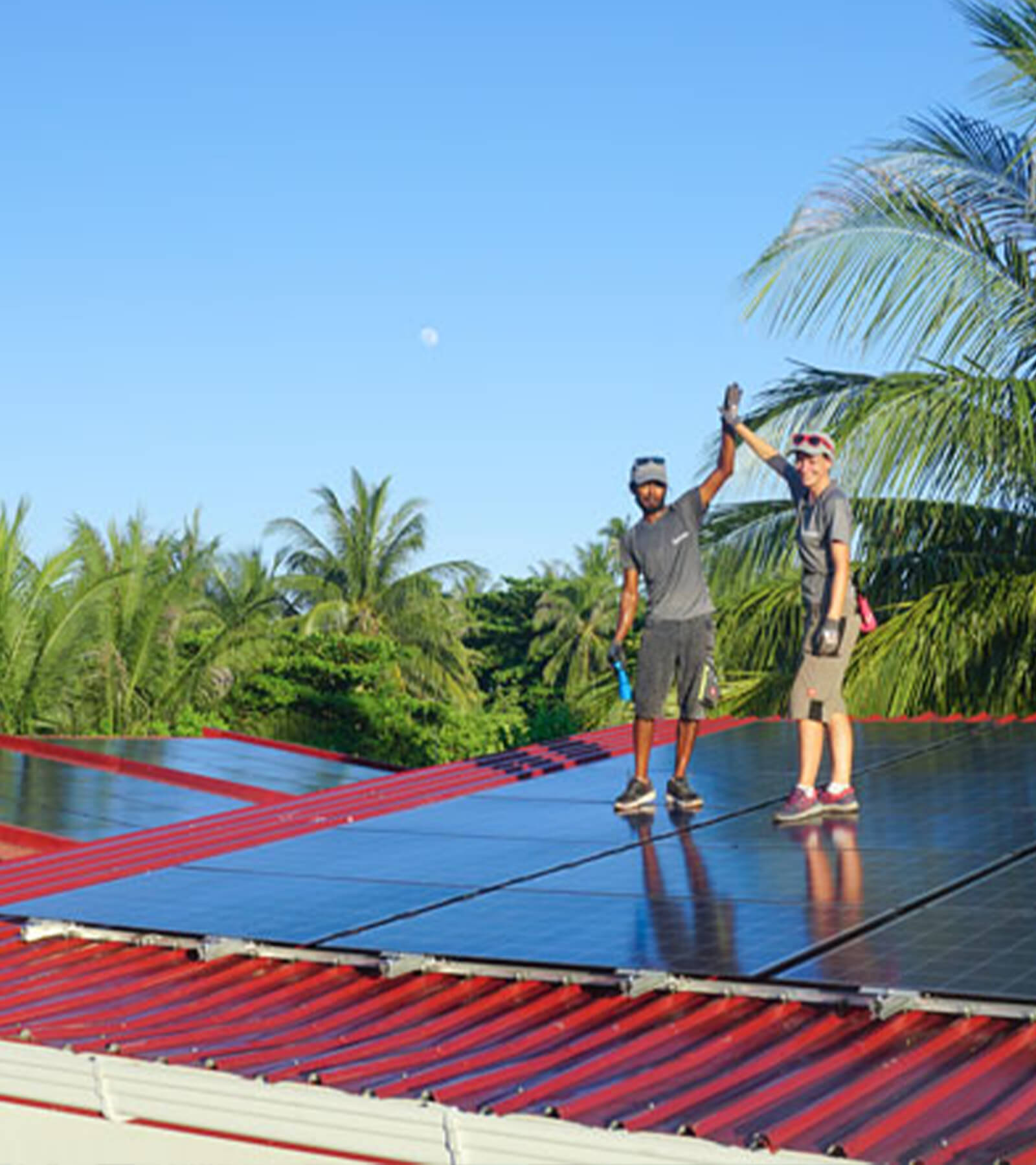
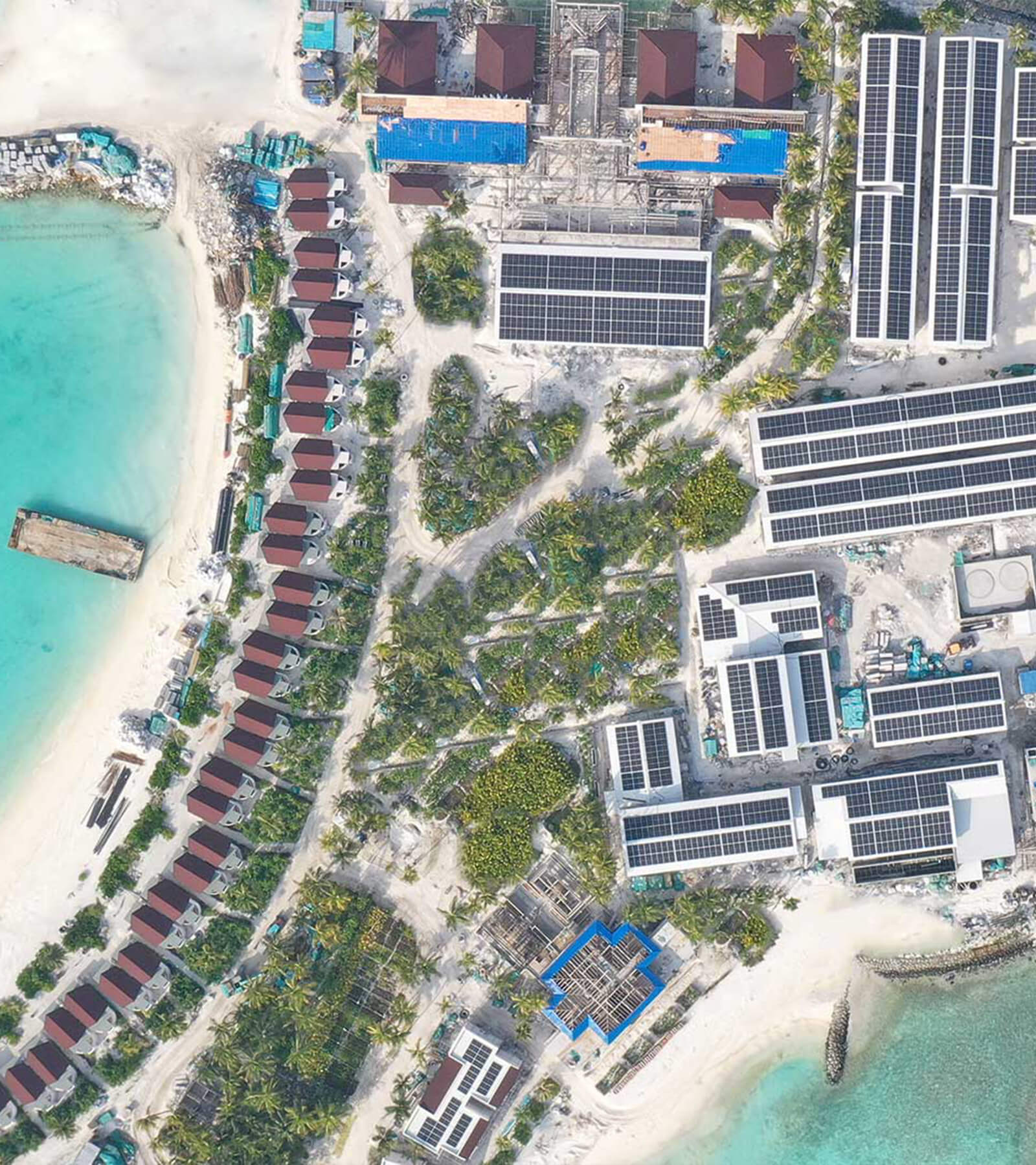
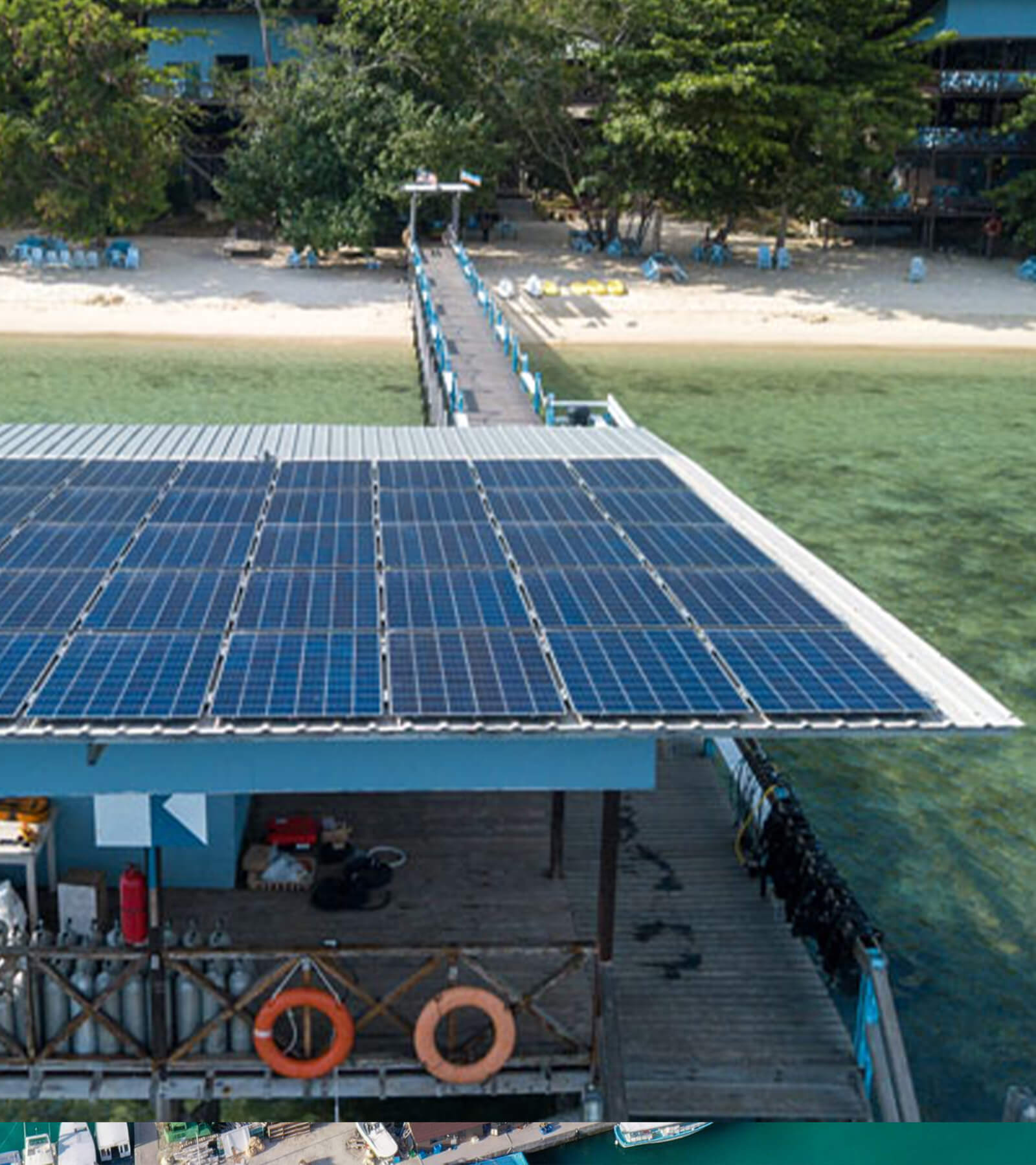
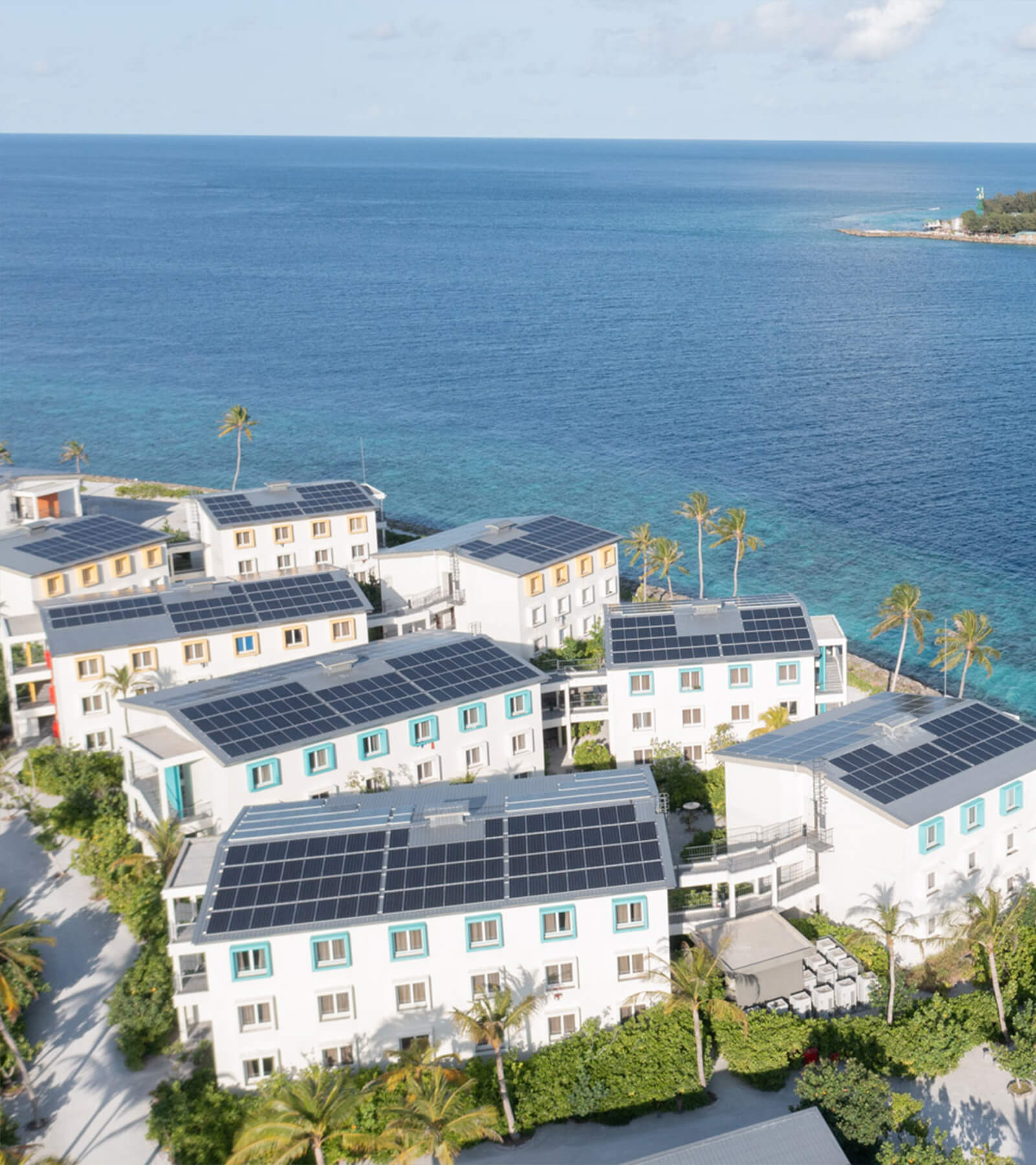
Hi, I’m Lars—Senior Product Manager at Maxbo Solar. I’ve spent the last 7 years knee-deep in offshore energy, and we didn’t just build BESS Containers for the sea; we built them because of the sea. For too long, I watched offshore operators struggle with flimsy batteries that rusted after a year, failed during storms, or cost a fortune to fly technicians out for repairs. So we decided to fix it.
Our marine-grade BESS Containers aren’t just “adapted” for the sea—they’re engineered for it from the ground up. We use the same 316L stainless steel and IP68 protection that survives the North Sea’s worst <superscript:1>, but we went further: our batteries have a -20°C to 50°C operating range (vs. the industry standard 0°C to 40°C) and are tested to withstand 120 km/h winds and 10-meter waves in our Copenhagen test facility.
The proof is in the performance. One Nordic salmon farm off the coast of Norway switched to our 10MW BESS last year—replacing expensive diesel generators. They cut diesel costs by €138,000/year and reduced CO₂ emissions by 462,000 kg (that’s the equivalent of planting 12,800 trees!) <superscript:4>. After a brutal winter storm that took out two nearby standard BESS units, ours kept running without a hitch.
But here’s the real difference between Maxbo and the competition: we don’t just sell you a box. We’re your partner from day one to day 10,950 (that’s 30 years, our standard warranty).
Our turnkey service includes:
-
Custom Sizing: We analyze your wind farm’s output data to design a BESS that maximizes ROI (not just our sales)
-
Subsidy Navigation: Our in-house EU policy experts handle grant applications—we’ve got a 92% approval rate
-
24/7 Monitoring: Our Copenhagen control center watches your BESS 24/7, with AI alerts for issues before they happen
-
Lifetime Support: We stock spare parts in Rotterdam and Aberdeen, ensuring 48-hour response time for repairs
It’s why we’ve partnered with Orsted, Shell, and Equinor—these giants don’t just buy products; they buy reliability. And that’s what we deliver.
Want to see our BESS Containers in action? Check out our project portfolio at www.maxbo-solar.com—or drop me a line at [email protected]. I’ll even send you a video of our BESS surviving our simulated North Sea storm test (it’s weirdly satisfying to watch, trust me).