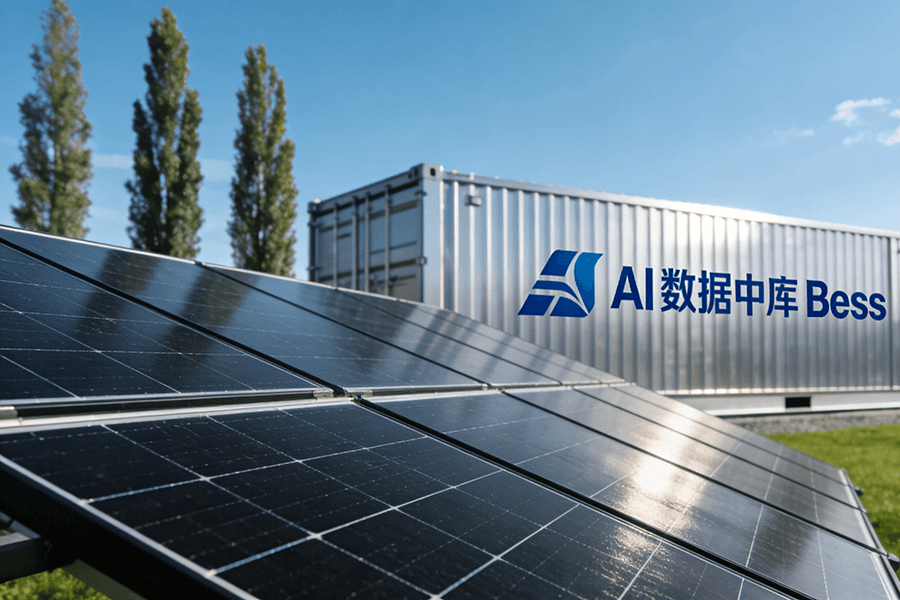
The Energy Crunch: Why Europe’s AI Boom Needs BESS
Let’s cut to the numbers—they’re louder than a server farm at full tilt. In 2024, European data centers gobbled up an estimated 70 terawatt-hours (TWh) of electricity, according to the International Energy Agency (IEA).
To put that in perspective: that’s more power than the entire country of Croatia uses in a year (around 60 TWh in 2024). And it’s only getting worse.
Germany and the UK are racing to build “hyperscale” data centers—facilities so large they make traditional server rooms look like USB drives. The UK alone plans to add 3.5GW of data center capacity by 2027, while Germany’s North Rhine-Westphalia region has approved 12 new hyperscale projects since 2023. Each one needs a power backup that’s fast, reliable, and green.
|
Metric
|
2024 Data
|
2030 Projection
|
Source
|
|---|---|---|---|
|
European Data Center Electricity Use
|
70 TWh
|
115 TWh (↑64%)
|
IEA via European Commissionhttps://www.iea.org/reports/data-centres-and-data-transmission-networks
|
|
AI Data Center Capacity Goal (Europe)
|
~1.2 GW
|
6 GW (↑400%)
|
Industry Consensus & EU Green Digital Plan https://digital-strategy.ec.europa.eu/en/policies/green-digital-transition
|
|
Cost of 1-Hour Outage for Hyperscale Data Center
|
€1-2 Million
|
€3-4 Million (↑50-200%)
|
Uptime Institute (2025) https://uptimeinstitute.com/reports
|
The math is simple: no stable power = no AI growth. AI training sessions, in particular, are power-hungry and non-interruptible—even a 10-second outage can set back a week-long model training process.
And with Europe vowing to cut carbon emissions by 55% by 2030 (EU Green Deal target), backup generators running on diesel (the old reliable) are out of the question. They’re not just carbon-heavy—they also take 10-15 seconds to start, which is a lifetime for AI servers.
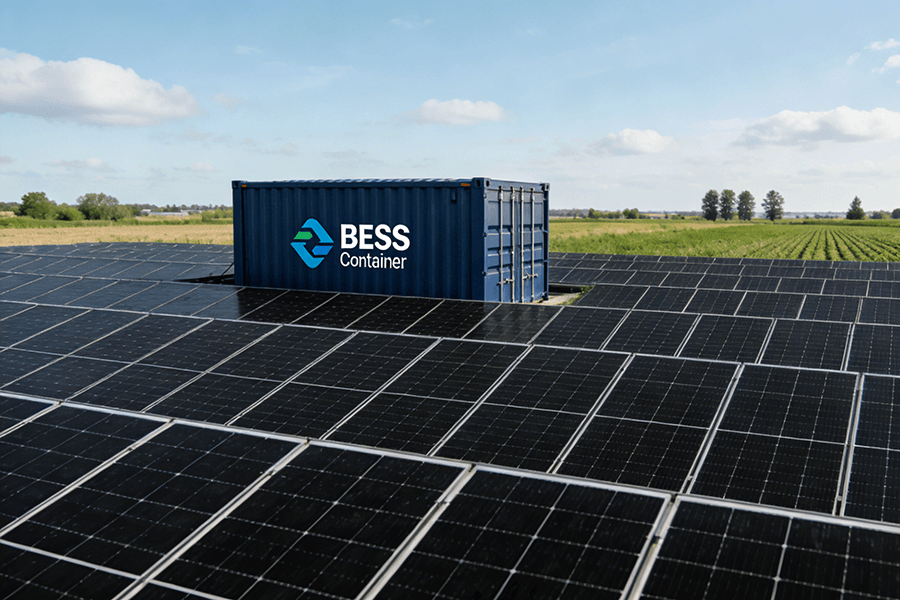
BESS Containers? They’re the sweet spot—clean, responsive, and ready to scale. They bridge the gap between Europe’s renewable energy goals and its AI ambitions.
3 Superpowers of BESS Containers: Why They’re Non-Negotiable
BESS Containers aren’t just big batteries on wheels. They’re precision tools that fix three of Europe’s biggest data center headaches. Think of them as a Swiss Army knife for energy—except instead of a corkscrew, they have 10ms response times.
Zero Downtime: Faster Than a Server’s Panic Button
When the grid blinks, your data center can’t. BESS Containers switch from grid power to backup in 10ms or less—faster than the time it takes to blink (about 100ms) and 1,000x faster than diesel generators.
For AI workloads, this speed is non-negotiable. A 2025 study by the European Data Center Association (EUDCA) found that even a 50ms outage can corrupt 30% of real-time AI training data, requiring days of reprocessing.
Maxbo Solar’s BESS systems take this a step further: our proprietary smart transfer switch enables 0ms active switching, shifting from grid-following to grid-forming mode instantaneously. This isn’t just “no downtime”—it’s “no detectable interruption” for even the most sensitive AI models.
Solar Boost: Turn Roof Panels Into Gold
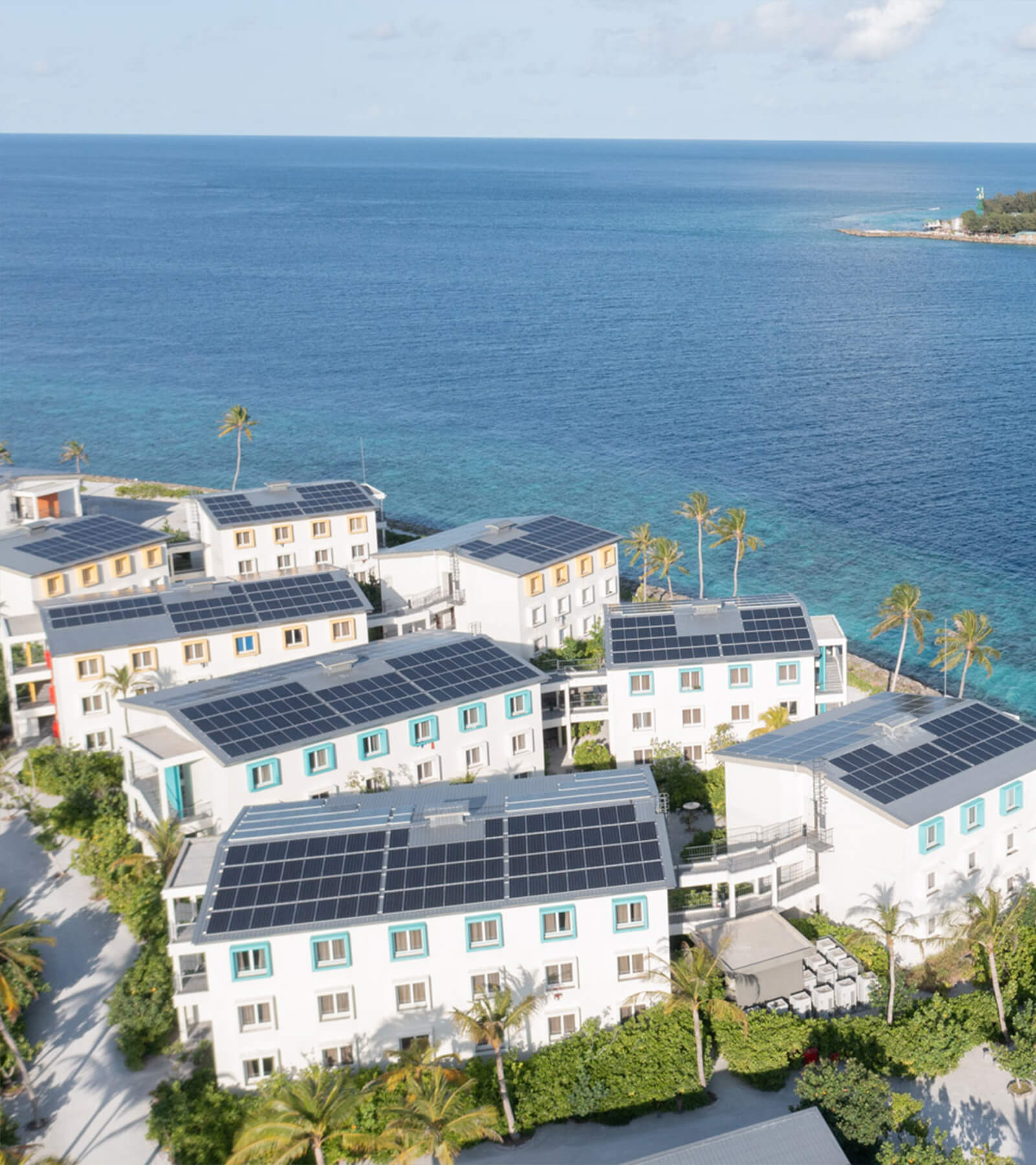
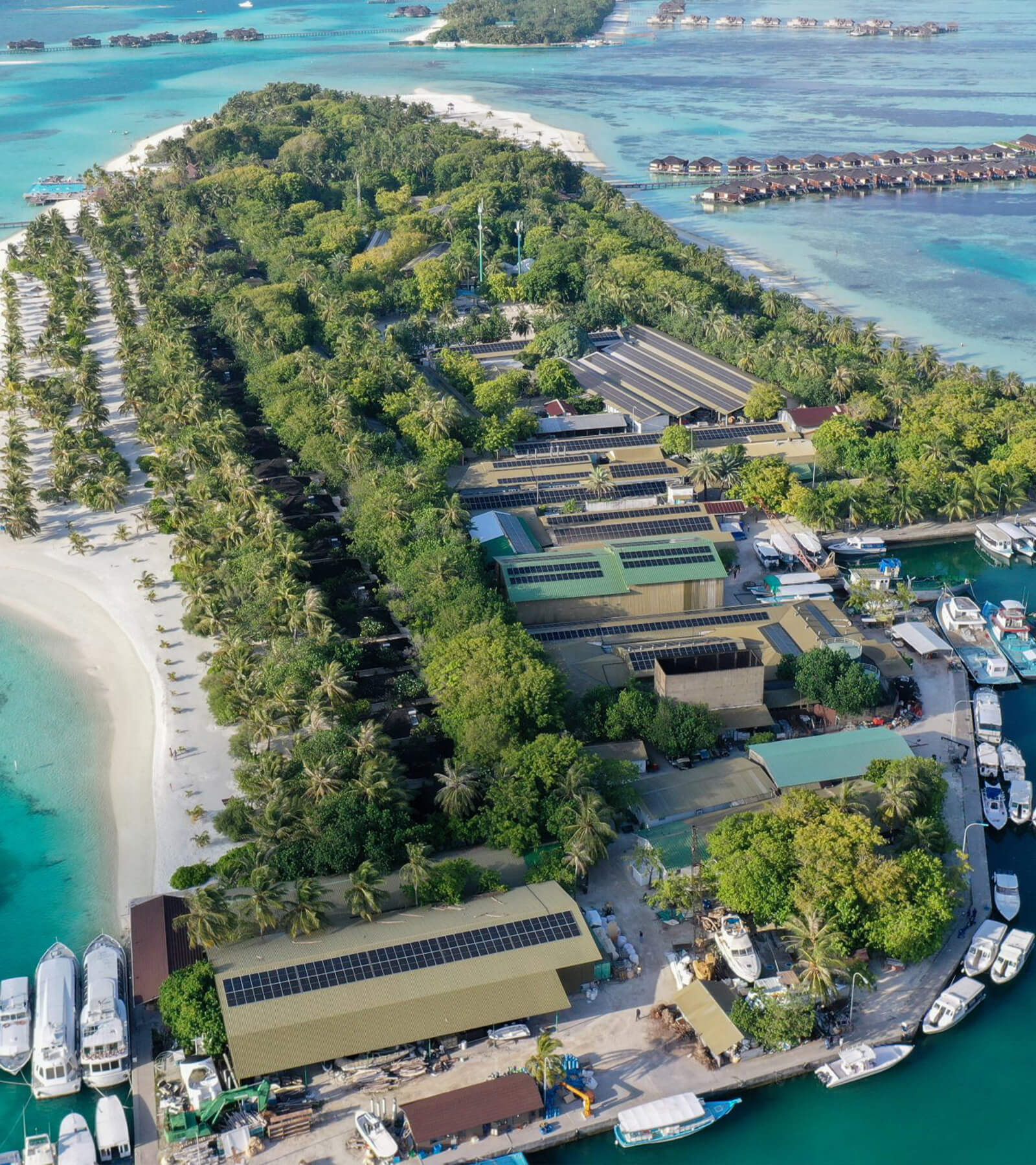
Europe’s data centers are increasingly dotted with solar panels—but without storage, most of that clean energy goes to waste. A typical data center with rooftop solar only uses 30-40% of its on-site generation, dumping the rest back to the grid (often at below-market rates).
BESS Containers fix this mismatch. By storing excess solar power during midday peaks (when server demand is often lower), they boost self-consumption rates to80% or higher. For example, a 50MW data center in Amsterdam with 10MW of rooftop solar and a 15MWh Maxbo BESS increased its solar usage from 32% to 83% in 2024, cutting grid electricity costs by €
Cost Cuts: Beat the Peak, Keep the Cash
European electricity prices are as volatile as a startup’s stock. In Germany, peak-hour prices can be 3x higher than off-peak—and “demand charges” (fees for how much power you pull at once) can eat up 30% of a data center’s energy bill. BESS Containers play the market: charge during cheap off-peak hours, discharge during expensive peaks, and slash those demand charges. The proof? Germany’s Bollingstedt储能电站 (BESS project), which saves clients over €1 million in a single off-peak hour and €400 million annually in renewable energy surcharges. That’s not pocket change—that’s funds to buy more AI servers.
Tech That Works: BESS Features for AI Data Centers
AI data centers don’t just need power—they need smart power. BESS Containers have to keep up with the erratic, high-demand loads of AI computing (think: a model training session that suddenly spikes power use by 50%). Here’s what makes a BESS Container AI-ready:
-
High Power Density: Maxbo’s LFP battery systems hit ≥166 Wh/kg, packing more power into less space—critical for data centers where floor space is as valuable as server time.
-
Redundant BMS: A Battery Management System (BMS) that meets EN 50604 safety standards (the EU’s gold standard for energy storage) ensures no single failure takes down the system. Maxbo’s 3-level BMS adds extra layers of protection, monitoring everything from cell temperature to gas leaks.
-
EMS Compatibility: Seamless integration with a data center’s Energy Management System (EMS) means the BESS works in sync with existing infrastructure, not against it. Maxbo’s EMS controller connects to microgrid dispatch centers, auto-adjusting to real-time grid needs.
-
Fast Efficiency: Up to 98.2% efficiency means almost no energy is lost in storage—so every kWh you save is a kWh you use.
Case Studies: BESS Containers in Action (No Hype, Just Results)
Talk is cheap—but these projects are powering real AI growth. Let’s dive into two European heavyweights that prove BESS Containers aren’t just theory.
Google Belgium: BESS as Grid Hero
Google’s data center in St. Ghislain, Belgium, isn’t just storing your Gmail—it’s keeping the local grid stable. The tech giant installed a 20MW BESS system that does double duty: backup power for its AI servers and frequency regulation for the Belgian grid. When the grid’s frequency dips (think: a wind farm suddenly slowing down), the BESS kicks in within milliseconds to balance supply and demand. It’s a win-win: Google gets zero downtime, and Belgium gets a more reliable grid. The project has become a blueprint for how data centers can be “grid assets,” not just energy hogs.
UK Carrington: Europe’s Biggest BESS for AI
If BESS Containers were superheroes, the Carrington project would be Thor. Located in Greater Manchester’s Trafford Low-Carbon Park, this 680MW/1360MWh system is Europe’s largest data center(supporting energy storage) project—and it’s built to power the UK’s AI boom. Funded by a €2.7 billion (€2.35 billion GBP)(syndicated loan), it can power 220,000 households for 2 hours and provides critical backup for nearby hyperscale data centers. What makes it special? It uses AI itself:’s (Envision Energy) energy big data model predicts电价 and grid demand with over 90% accuracy, optimizing when the BESS charges and discharges. It’s AI protecting AI—meta, but brilliant.
Policy Perks: EU Money Is Waiting for BESS
Europe doesn’t just want you to install BESS Containers—it will pay you to do it. The EU’s Green Digital Plan mandates that all new data centers be “zero-carbon” by 2030, and there’s a treasure trove of subsidies to make that happen. Here’s how to cash in:
Key EU Incentives for Data Center BESS:
-
Green Data Center Subsidies: Austria offers €0.4 per MW for solar-plus-storage systems, and the EU’s Horizon Europe fund provides grants for up to 50% of BESS project costs.
-
Carbon Footprint Certification: Data centers with BESS that store 100% renewables qualify for the EU’s “Green Data Center” label, which exempts them from certain carbon taxes.
-
Grid Services Revenue: Participate in frequency regulation or capacity markets (like Google Belgium) and get paid by grid operators for keeping the lights on.
Application Tip: Start with your national energy agency (e.g., Germany’s Federal Ministry for Economic Affairs, the UK’s Ofgem) and mention compliance with EN 50604—this fast-tracks approvals.
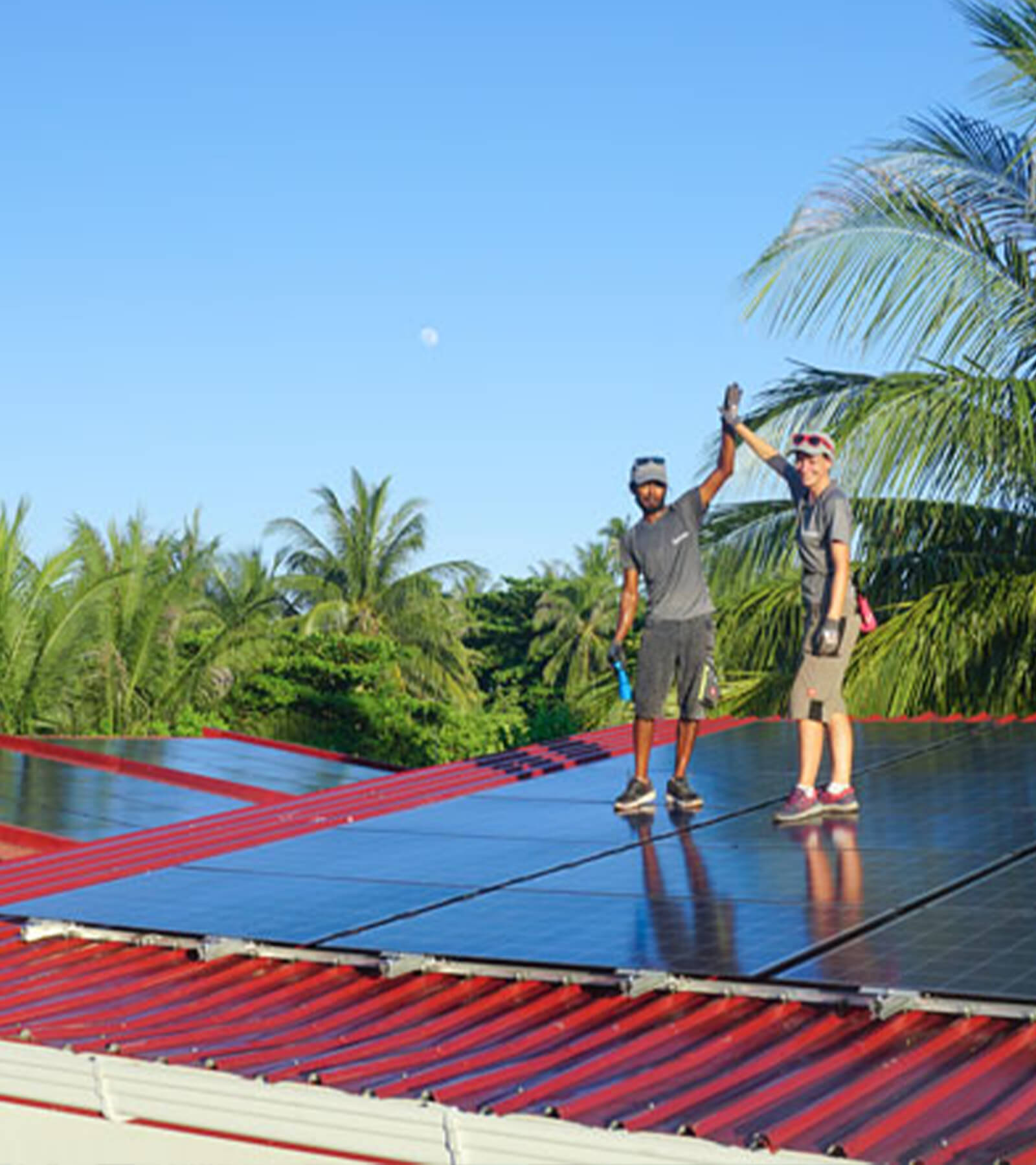
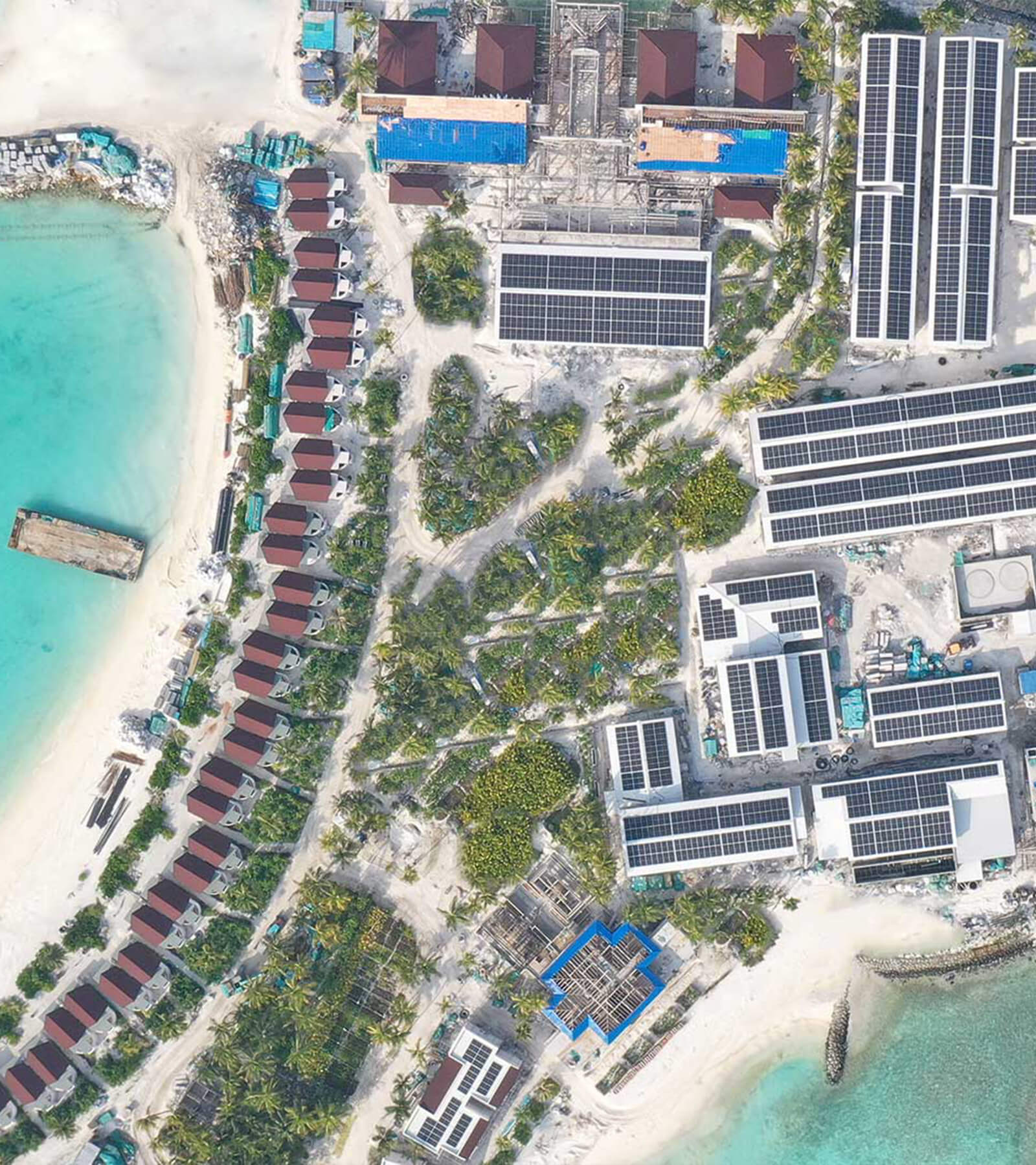
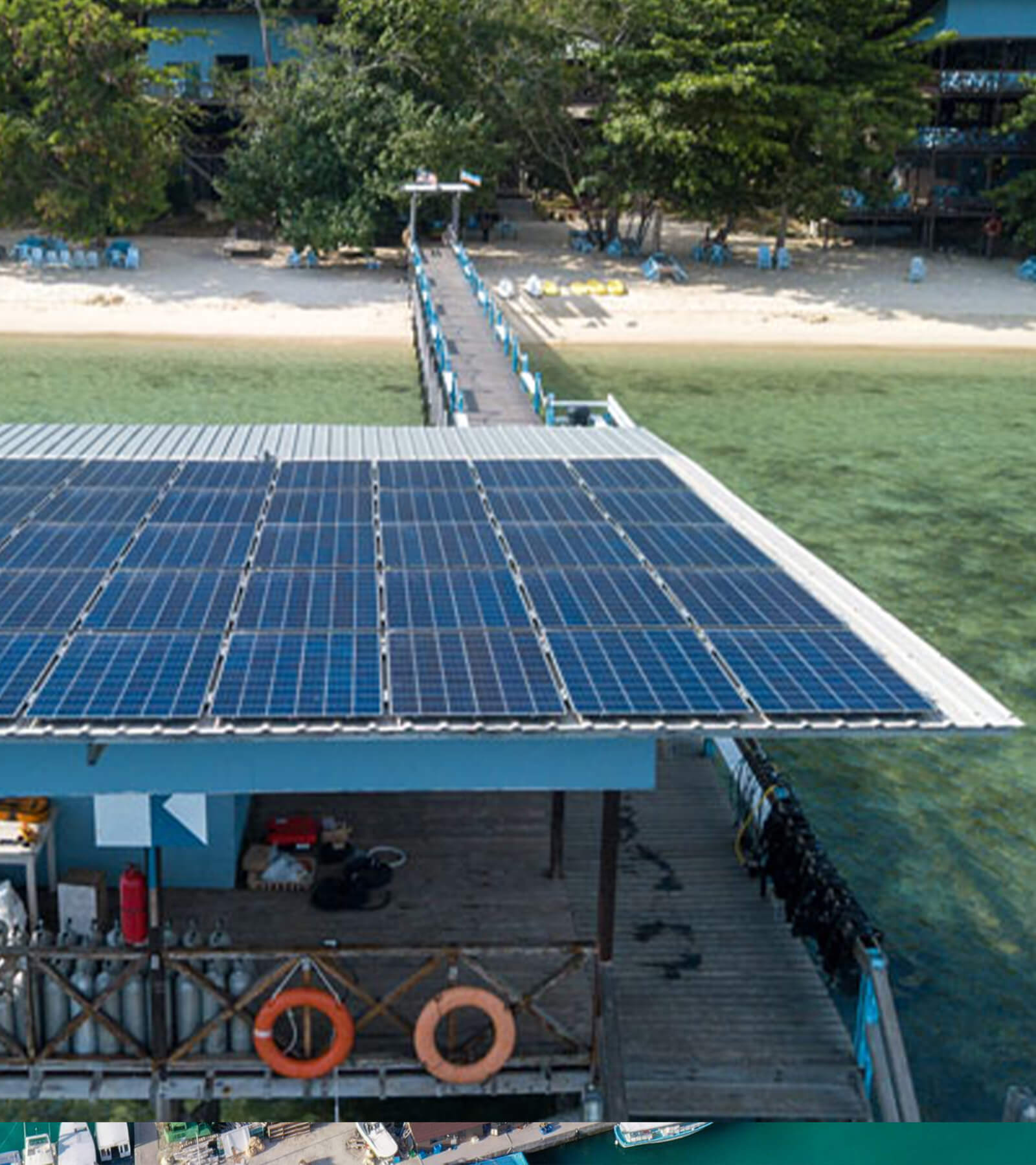


Why Maxbo Solar? We Speak AI, Power, and Europe
Full disclosure: I’m not just writing about BESS Containers—I’m building them. At Maxbo Solar, we’ve spent a decade tailoring energy storage solutions to Europe’s unique needs, and our AI Data Center BESS Containers are the result of that focus.
What makes us different? We don’t just sell you a battery—we solve your problem. Our 2.2MW/6.3MWh BESS Container (a popular size for mid-sized AI data centers) comes with: 0ms Active Switching: No downtime, no excuses—we beat the 10ms industry standard by a mile.Global Grid Certification: We’re already compliant with EU, UK, and German standards—no last-minute tweaks needed.Fire Safety That Works: Cabinet-level heptafluoropropane (HFC-227ea) fire suppression that fills the battery compartment in 10s—because safety isn’t optional.Local Support: Our teams in Berlin, Madrid, and London speak your language (literally—we have native speakers) and can deploy a BESS Container in 8 weeks or less.We’re not here to be another vendor. We’re here to be your partner in hitting that 6GW goal. Whether you’re building a new AI data center in Frankfurt or retrofitting an old one in Paris, we’ll help you unlock subsidies, cut costs, and keep the power flowing. Check out our BESS specs and case studies at www.maxbo-solar.com—and let’s power Europe’s AI future, together.
The Bottom Line
Europe’s AI boom isn’t just about better algorithms—it’s about better power. BESS Containers are the missing link between 2024’s energy crunch and 2030’s 6GW capacity goal. They’re fast, green, and profitable—and with EU subsidies and real-world success stories, there’s no reason to wait. The next big AI breakthrough is already being trained—don’t let a power outage be the reason it’s delayed.