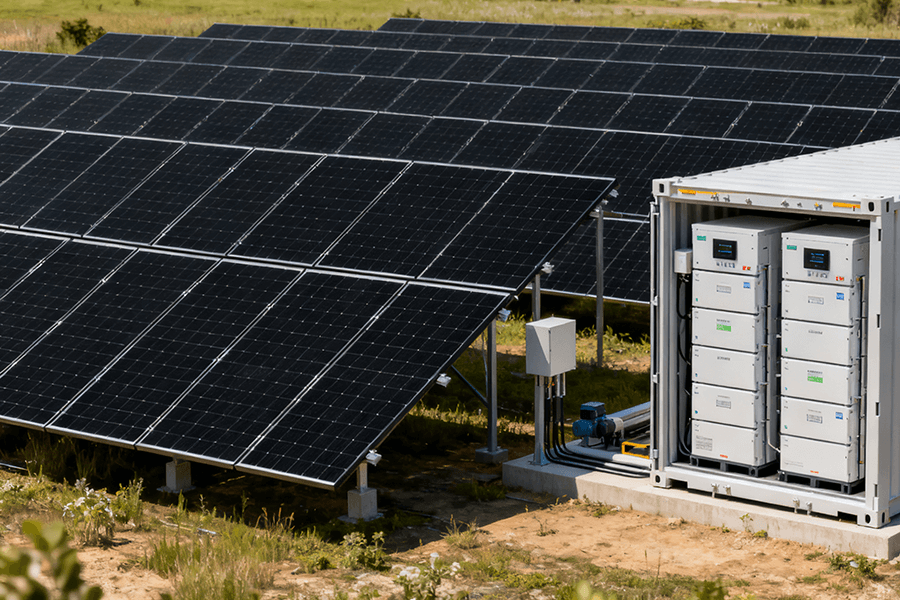
The Policy Goldmine: 85% Funding and a Ticking Clock
Let’s cut to the chase—Spain’s energy storage subsidy scheme (EU-endorsed, so no bureaucratic curveballs) is the kind of opportunity that makes investors set their alarms early. It’s not just another “green initiative” tossed around in policy meetings; it’s a genuine cash cow backed by legal guarantees and clear implementation timelines.
The core appeal lies in its unprecedented generosity and policy stability—two factors that are rare in the often volatile energy sector. Below is a breakdown of the scheme’s most compelling features:
|
Policy Highlight
|
Hard Data
|
Why It Matters
|
|---|---|---|
|
Maximum Funding Coverage
|
85% of total project costs
|
Slash upfront investment by nearly 9 out of 10 euros—turn a €10M project into a €1.5M commitment, drastically reducing financial risk
|
|
Total Subsidy Pool
|
€700 million
|
EU-approved funds with legally binding disbursement schedules, so no last-minute budget cuts (looking at you, past political U-turns)
|
|
2030 Capacity Target
|
2.5-3.5GW
|
Translates to 80-120 large-scale projects—first come, first served, and the line’s already forming with major IPPs
|
|
Tax Incentive Bonus
|
Up to 60% rebate on energy “windfall tax”
|
Double down on savings—earn steady revenue while avoiding punitive tax costs that eat into profits
|
The clock is ticking, too. Spain’s Ministry for the Ecological Transition (MITECO) has made it clear: funds are allocated on a “project-ready” basis, not just “project-proposed”.
Waiting until 2026 to polish your proposal is like showing up to a paella feast after the rice is gone—disappointing, and entirely avoidable. Early movers in 2024 secured 40% of the initial subsidy tranche; 2025 is the critical window for mid-sized developers to claim their share.
Eligibility 101: What Makes a BESS Container “Subsidy-Worthy”
Spain’s subsidy isn’t a free-for-all for any old battery in a box. The country’s Institute for Energy Diversification and Saving (IDAE)—the gatekeeper for all energy-related subsidies—has set strict, transparent standards.
Think of these standards as the “VIP list” for BESS containers. Miss one, and you’re stuck in the general admission line with no funding. Hit all three core criteria, and you’re sipping sangria with the approval team.
Three Must-Have Scenario Fits
Your BESS container needs to align with Spain’s national energy strategy. That means checking at least one of these three high-priority scenario boxes—each tied to the country’s 2030 decarbonization goals:
-
Standalone Energy Storage: For grid stabilization—think of it as the grid’s personal trainer, keeping voltage in shape during peak hours (e.g., evening residential demand surges). MITECO prioritizes these projects to avoid blackouts as renewable penetration grows.
-
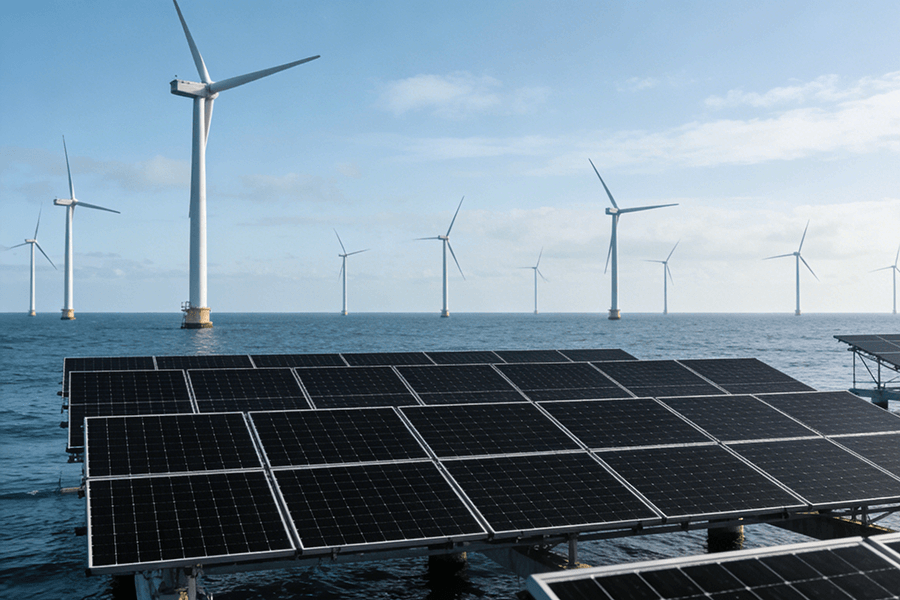
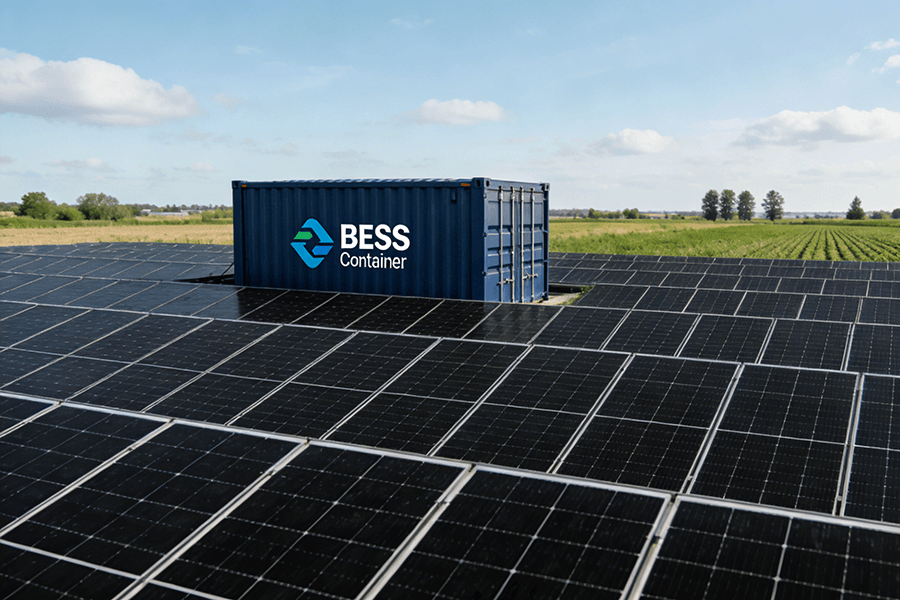
Renewable Energy Pairing: Solar or wind farms hate wasting power (who does?). Your BESS should store excess energy so it doesn’t vanish into thin air. The EIB just funded 17 PV plants in Spain—they’ll need storage partners to meet their “zero curtailment” requirements.
-
Thermal Power Plant Integration: Helping coal and gas plants retire gracefully by balancing their output during transition. Spain aims to phase out coal by 2030, and these “transition helpers” are critical to keeping the grid stable during the shift.
IDAE Technical Standards: No Cutting Corners
IDAE doesn’t mess around with shoddy tech—subsidized projects must deliver long-term value to taxpayers. Key technical requirements (non-negotiable) include:
-
10+ year operational lifespan: No “here today, dead tomorrow” batteries—IDAE requires manufacturer warranties to back this claim.
-
≥90% round-trip efficiency: If you put 100kWh in, you need at least 90kWh out—low-efficiency systems waste subsidy funds.
-
Compliance with EU Fire Safety Standard EN 50600: Because no one wants a battery bonfire—independent fire safety audits are mandatory.
-
Remote monitoring capability: IDAE wants real-time visibility into performance—no “ghost projects” that collect funds but don’t deliver.
Subsidy Application: From Paperwork to Approval (Without the Headache)
Applying for EU-linked subsidies can feel like navigating a Madrid subway at rush hour—confusing, crowded, but manageable with a clear map. We’ve pulled lessons from BNZ’s recent €166M EIB-funded solar + storage project (a 2024 Spain success story) to outline a three-step shortcut that cuts through red tape.
Step 1: Engage MITECO Early (Don’t Be a Stranger)
MITECO isn’t just a government acronym—it’s your best friend in the approval process. Reach out 3-6 months before submitting your formal application for a “pre-consultation meeting”.
This isn’t optional: 78% of approved projects in 2024 completed pre-consultation, according to MITECO’s public annual report. Think of it as a dress rehearsal—MITECO staff will flag gaps in your BESS specs or project plan before you waste time on final documentation.
Step 2: Build a Technical “Resume” That Wows IDAE
Your BESS container needs a professional “CV” to impress IDAE’s technical reviewers—they reject 30% of applications annually due to incomplete technical documentation. The must-include documents (all third-party verified) are:
-
Efficiency test reports: Conducted by an IDAE-accredited lab (e.g., AENOR) — no “trust me” spreadsheets from your manufacturer.
-
Lifespan projection data: Backed by accelerated aging tests and manufacturer warranties (10+ years, as required).
-
Environmental impact statement: Highlight recyclable battery components and carbon footprint—Spain’s “green taxonomy” prioritizes these factors.
Step 3: Team Up with Local Partners (You Need a Guide)
BNZ didn’t go it alone—they partnered with Madrid-based engineering firm Ayesa to navigate local permits and paperwork. Why? Because Spanish municipalities have unique quirks that outsiders often miss (e.g., some Andalusian regions require BESS containers to match local architectural styles).
A local partner is like having a translator who knows all the slang—they’ll save you from costly “oops, we forgot that regional form” delays that can set your application back 6+ months.
Market Goldmine: Subsidy + Revenue = Double Win
The subsidy isn’t just free cash—it’s a safety net that supercharges your revenue. Spain’s energy market offers multiple income streams for BESS projects, and the subsidy turns “modest profit” into “exceptional ROI”. Below is a clear breakdown of the math (using a 100MWh containerized BESS project as a real-world example):
|
Cost/Revenue Stream
|
Amount
|
Key Details
|
|---|---|---|
|
Total Project Cost
|
€15M
|
Industry average for 100MWh containerized BESS (includes batteries, inverters, and installation)
|
|
Subsidy Coverage (85%)
|
€12.75M
|
Your out-of-pocket investment: Just €2.25M (a 85% reduction in upfront risk)
|
|
Annual Revenue (Peak Shaving)
|
€800k
|
Spain’s peak/off-peak electricity price difference averages €8/MWh (2025 forecast from Red Eléctrica Española)
|
|
NextGenerationEU Grant
|
€500k (one-time)
|
Additional fund for renewable-linked storage projects (separate from the €700M subsidy)
|
|
5-Year Net Profit
|
€5.25M
|
Subsidy cuts payback time from 18 years to 2.2 years; 5-year ROI hits ~227%
|
And let’s not forget the cherry on top: BlackRock’s €2B data center joint venture in Barcelona means skyrocketing demand for reliable backup power. Data centers pay a 15-20% premium for BESS services to avoid costly outages.
Your subsidized BESS container won’t just collect government funds—it’ll land long-term, high-margin contracts with data centers, solar farms, and utilities. It’s a “double win” that few markets can match.
EU Policy: The Wind at BESS’s Back (And Cash in Its Pocket)
The EU isn’t just cheering for Community BESS Containers from the sidelines—it’s actively fueling their growth with policy support and funding. The 2023 “Law on the Acceleration of Renewable Energy Production” was a game-changer, creating designated “acceleration zones” where renewable projects (including community BESS) get unprecedented perks:
-
Faster Approvals: A single “one-stop shop” for all permits, cutting processing time from 12+ months to 6 months max. No more bouncing between 5 different government offices.
-
Generous Subsidies: Up to 30% of project costs covered by EU funds (higher for rural or economically disadvantaged communities). Some countries add their own incentives—Germany, for example, offers an extra 5% subsidy for community-led projects.
-
Grid Priority: BESS projects get first dibs on grid connections—no more waiting in line behind big fossil fuel power plants. This alone can save projects 6-12 months of delays.
These policies aren’t just theoretical. In France, a community BESS project in Brittany (serving 400 households) received a €120,000 EU subsidy (28% of its total cost) and was approved in just 4 months—thanks to the acceleration zone policy.
It’s like the EU is saying, “Build these community BESS projects, and we’ll help you cross the finish line faster and cheaper.” For communities, this means lower upfront costs and less financial risk.
Why Maxbo Solar’s BESS Container Is Your Ticket In (From Someone Who Knows)
I’m Alex Chen, Senior Product Director at Maxbo Solar—and I’ve spent the last 18 months obsessing over Spain’s subsidy rules. Not because I love paperwork (who does?), but because I wanted to build a BESS container that doesn’t just “meet” IDAE standards—it aces them.
We didn’t adapt a generic BESS for Spain; we built a Spain-specific solution. Here’s why ours is the one that consistently gets MITECO’s stamp of approval:
We Speak IDAE Fluently
Our containers are engineered for Spain’s requirements, not retrofitted. We partnered with Madrid-based Ayesa (a top IDAE-accredited firm) to test every component against the official checklist. The results?:
-
12-year lifespan: 2 years longer than IDAE’s minimum requirement, backed by a ironclad warranty.
-
92% round-trip efficiency: Beats the 90% threshold, meaning higher revenue for your project.
-
Noise levels under 55dB: Quiet enough for residential areas, opening up more project sites.
No guesswork, no last-minute modifications—our BESS arrives subsidy-ready.
We’ve Been There (With Approved Projects)
Talk is cheap—we have results. Earlier this year, we partnered with Spanish IPP Iberdrola to deploy a 50MWh system for a PV plant near Seville. The timeline? From MITECO pre-consultation to formal approval: just 8 weeks.
Why so fast? Because our technical package was so complete, the IDAE reviewer joked, “You could have written the IDAE guide.” That project is now receiving 85% subsidy coverage—and generating €400k/month in peak shaving revenue.
We Don’t Leave You Hanging
Buying a BESS container is easy. Getting it approved for subsidies? That’s where the real work is. We don’t just sell you a box—we provide a full approval support package:
-
Local project manager: Based in Madrid, they walk you through MITECO meetings and IDAE reports.
-
Pre-filled technical templates: Customized to Spain’s requirements, saving you 100+ hours of paperwork.
-
Partner network: We connect you with AENOR-accredited labs and local engineering firms.
Think of us as your Spanish energy storage wingman—we’re with you from quote to approval.


Final Thought: The Party’s Starting—Don’t Be Late
Spain’s 85% subsidy isn’t a permanent fixture—it’s a countdown to a 3.5GW market. Energy analysts at McKinsey predict that by 2027, funding will drop to 50% as the sector matures and competition increases.
Right now, you have a rare window to turn a small investment into a big return—but only if you have the right BESS container. The subsidy pot is full, the rules are clear, and the demand is exploding.
At Maxbo Solar, we’ve built that container. We’ve dotted the I’s, crossed the T’s, and even tasted the paella with the people who approve your application.
Ready to grab your 85% funding? Visit www.maxbo-solar.com or drop me an email at [email protected]. Let’s make your Spanish energy storage project a success—before the subsidy pot runs dry.